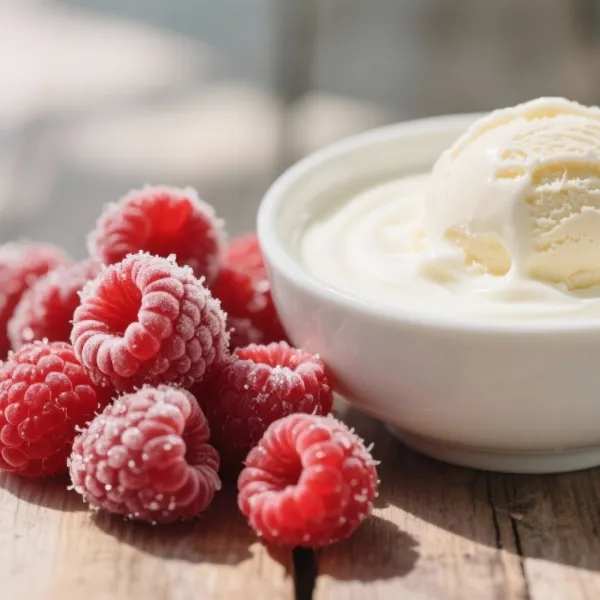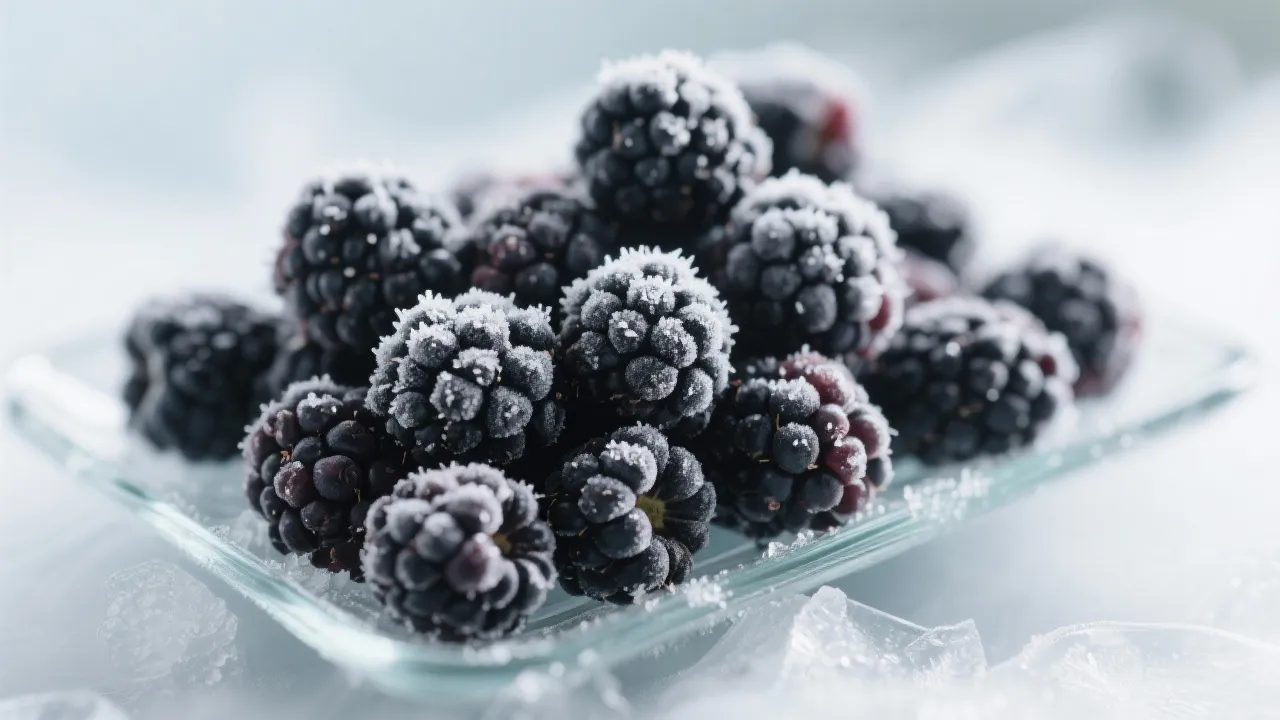
In the competitive landscape of frozen food processing, maintaining nutritional integrity while ensuring product quality is a constant challenge. For manufacturers specializing in berry products like blackberries, blueberries, and raspberries, preserving anthocyanins—the powerful antioxidants responsible for vibrant color and health benefits—has become a key differentiator in the marketplace. Recent studies indicate that conventional freezing methods can result in up to 40% loss of anthocyanins, significantly reducing both the nutritional value and market appeal of the final product.
Flash freezing technology operates on a fundamental principle: by rapidly lowering the temperature of produce to -30°C or below within 30 minutes, the formation of large ice crystals is prevented. These smaller ice crystals minimize damage to cellular structures, preserving the integrity of plant cells where anthocyanins are primarily stored. Research conducted at the Institute of Food Technologists demonstrates that this process can maintain up to 92% of original anthocyanin content compared to traditional freezing methods, which typically retain only 60-70%.
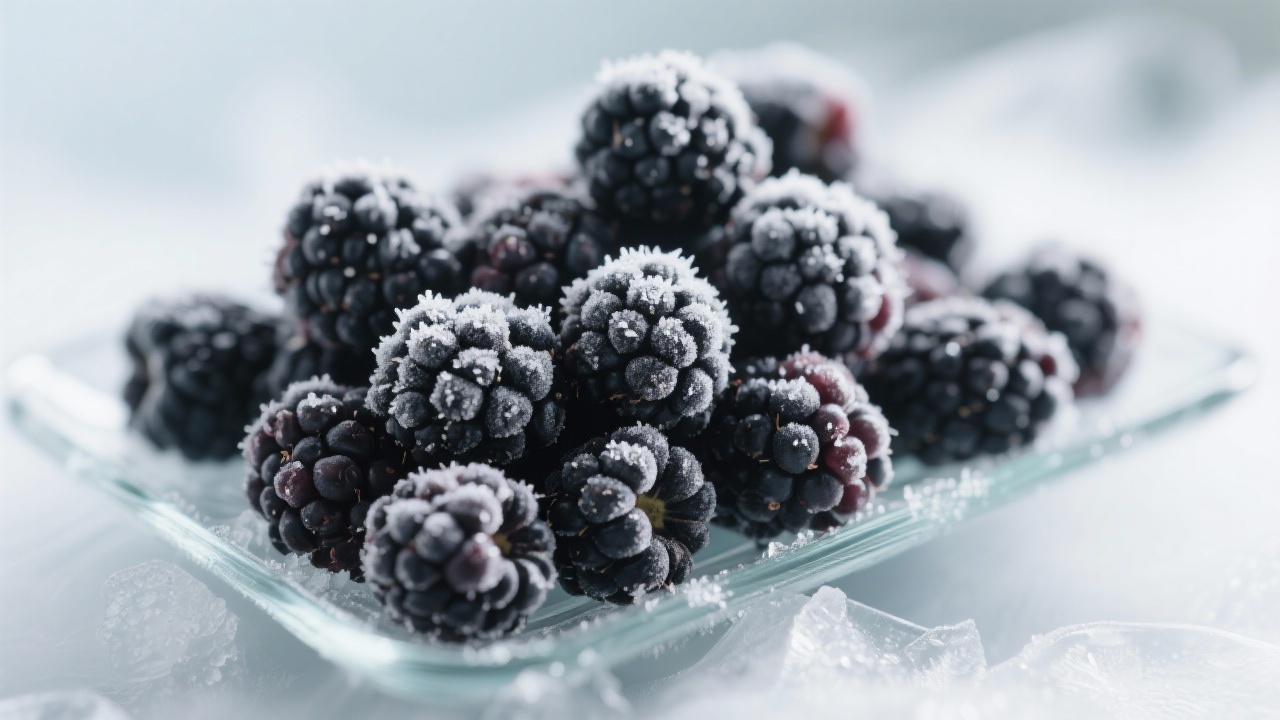
Anthocyanins are highly sensitive to temperature fluctuations, oxygen exposure, and pH changes. The key to preserving these compounds lies in the precise control of three critical stages: pre-freezing preparation, freezing rate, and post-freezing storage. Optimal results are achieved when the product's core temperature drops from 20°C to -18°C in less than 25 minutes—a process that requires specialized equipment capable of maintaining consistent air velocity and temperature distribution.
During storage, maintaining a constant temperature of -18°C ± 2°C is essential. Temperature fluctuations as small as 5°C can trigger recrystallization, damaging cell walls and releasing anthocyanins into the surrounding ice matrix where they become vulnerable to degradation. A study published in the Journal of Food Science found that products stored at unstable temperatures showed a 15% higher anthocyanin loss after just three months compared to those kept at constant temperatures.
Before any freezing process begins, the quality of raw materials determines the final product's nutritional value. Implementing a rigorous triple manual selection process ensures that only fruits meeting strict quality criteria proceed to freezing. This multi-stage inspection targets underripe or overripe berries, damaged specimens, and foreign materials, resulting in a 95% whole fruit retention rate and significantly reducing the presence of enzymes that accelerate anthocyanin breakdown.
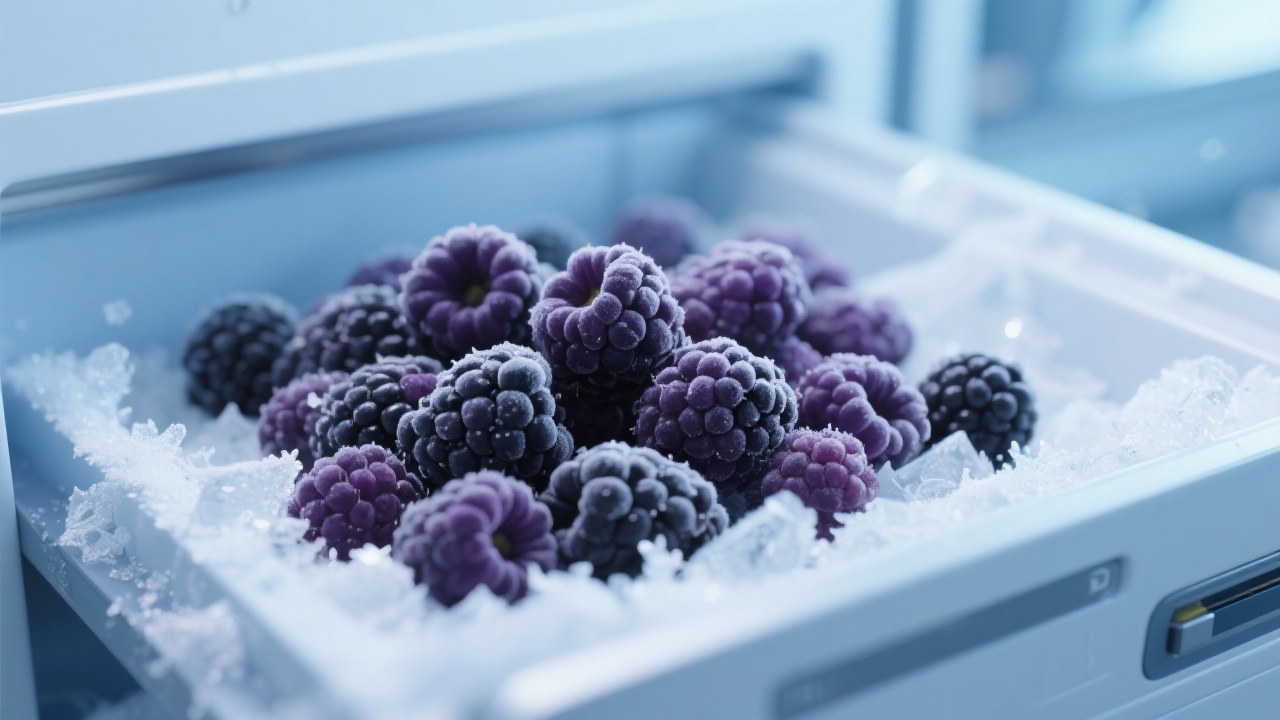
The flash freezing process involves several critical parameters that must be precisely controlled: air temperature, air velocity, product thickness, and residence time. For blackberries, optimal results are typically achieved with air temperatures between -35°C and -40°C, air velocities of 6-8 m/s, and a total freezing time of 20-25 minutes. These parameters ensure that the product's core temperature reaches -18°C while minimizing dehydration and surface ice formation.
Modern freezing systems equipped with individual quick freezing (IQF) technology further enhance anthocyanin preservation by freezing each berry separately, preventing clumping and ensuring uniform temperature distribution. This technology has been shown to improve anthocyanin retention by an additional 5-8% compared to conventional tunnel freezing methods.
Maintaining anthocyanin levels doesn't end with the freezing process. The entire cold chain—from storage facilities to transportation vehicles—must maintain consistent temperatures. Advanced monitoring systems with real-time temperature tracking and alert capabilities have become essential tools for quality control. Studies show that even brief temperature excursions above -12°C can initiate anthocyanin degradation pathways, with measurable losses occurring within just 4 hours at these temperatures.
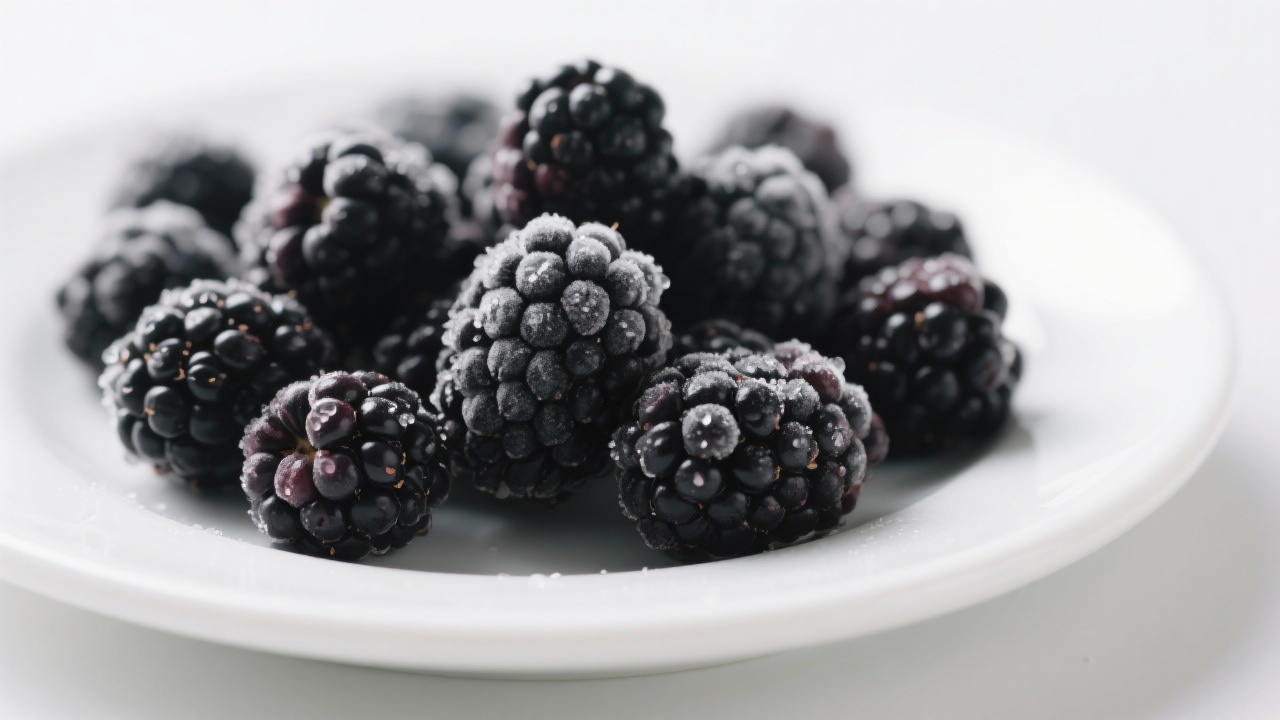
Consider the example of a mid-sized fruit processor that implemented optimized flash freezing protocols. By adjusting their freezing time from 45 minutes to 22 minutes and implementing a triple selection process, they achieved a 32% increase in anthocyanin retention and a 15% reduction in product waste. Their customers reported improved color stability in finished products, with shelf life extended by an additional 3 months.
Key implementation steps included: upgrading to a dual-stage IQF system, implementing real-time temperature monitoring, training staff in proper selection techniques, and establishing strict cold chain protocols with transportation partners. The investment in these improvements resulted in a 22% increase in product value and opened new market opportunities in the premium health food sector.
亿商桥 specializes in providing premium frozen blackberries that retain their natural anthocyanins and nutritional benefits through our advanced triple manual selection and flash freezing technology. Our process ensures 95% whole fruit integrity and maximum nutrient preservation, making our products ideal for health-conscious manufacturers looking to create high-value offerings.
What challenges have you encountered in preserving anthocyanins during frozen fruit processing? Share your experiences and questions in the comments section below—our team of food technology specialists is here to help you optimize your freezing processes for maximum nutritional retention and product quality.


_(2).jpg?x-oss-process=image/resize,m_fill,h_600,w_600/format,webp)