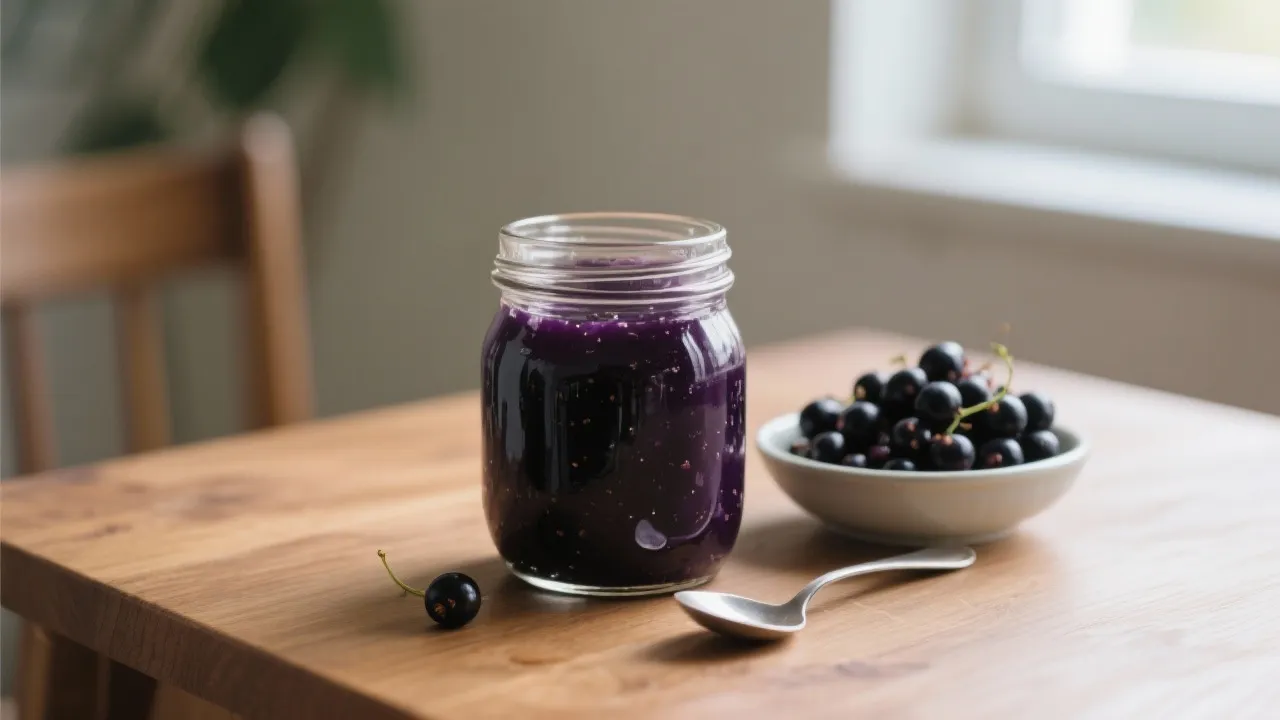
Have you ever encountered difficulties when making frozen blackcurrant jam? Does the thawing method really impact the taste? And what's the crucial timing for adding sugar? In this article, we'll delve into the scientific advantages of using frozen blackcurrants in jam processing, from the principle of quick - freezing to preserve freshness to the techniques of controlling moisture. With hands - on experience and clarification of common misconceptions, we'll help you easily make high - quality home - style jam that's thick, stable, and perfectly balanced in sweetness and acidity.
When it comes to making jam, choosing the right raw material is crucial. Frozen blackcurrants have several significant advantages. Our frozen blackcurrants are sourced from premium growing regions, and each batch undergoes three rounds of manual sorting to ensure top - notch quality. Quick - freezing technology plays a vital role here. It locks in the freshness of the blackcurrants almost instantly. For example, the vitamin C retention rate in our frozen blackcurrants is over 85%, much higher compared to fresh blackcurrants that might lose their nutritional value more quickly during storage and transportation. Moreover, the whole - fruit rate reaches 95%, providing uniform fruits for making jam.
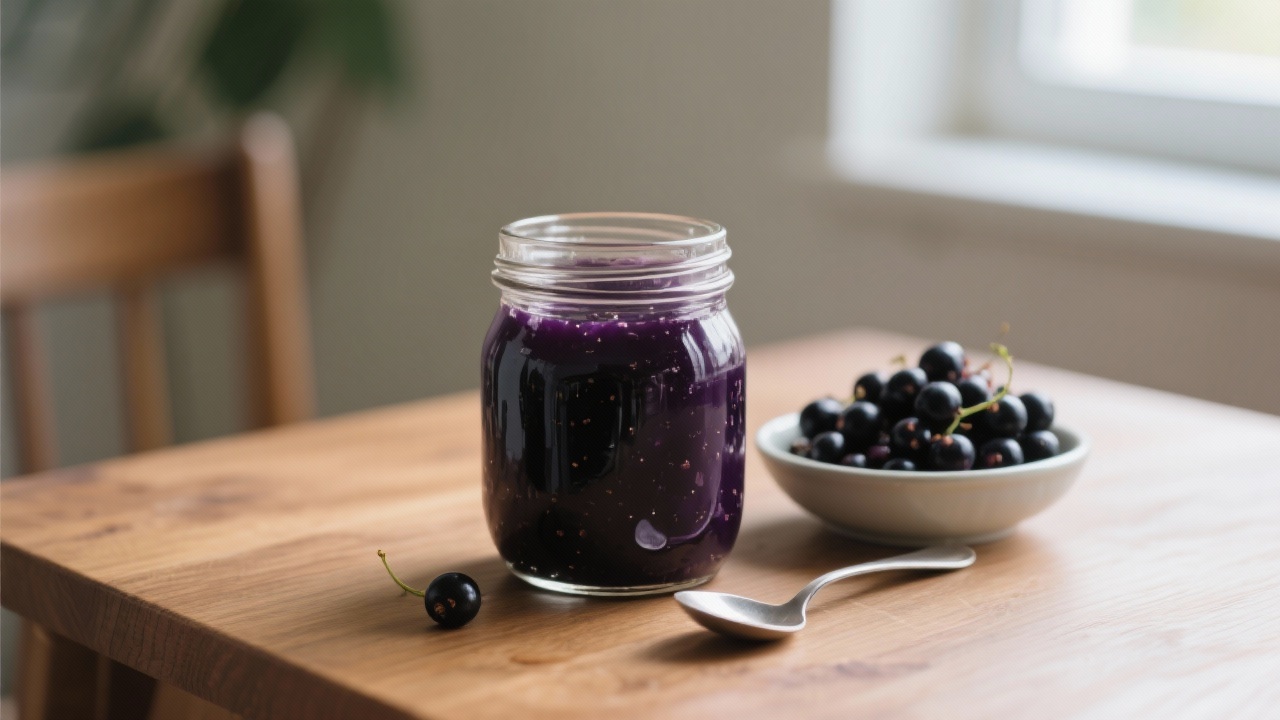
Thawing Method: The thawing method indeed affects the taste of the jam. You can choose to thaw the frozen blackcurrants in the refrigerator overnight. This slow - thawing process helps retain the fruit's texture and moisture. In contrast, if you use a microwave to thaw them quickly, the blackcurrants may become mushy and lose some of their natural flavor.
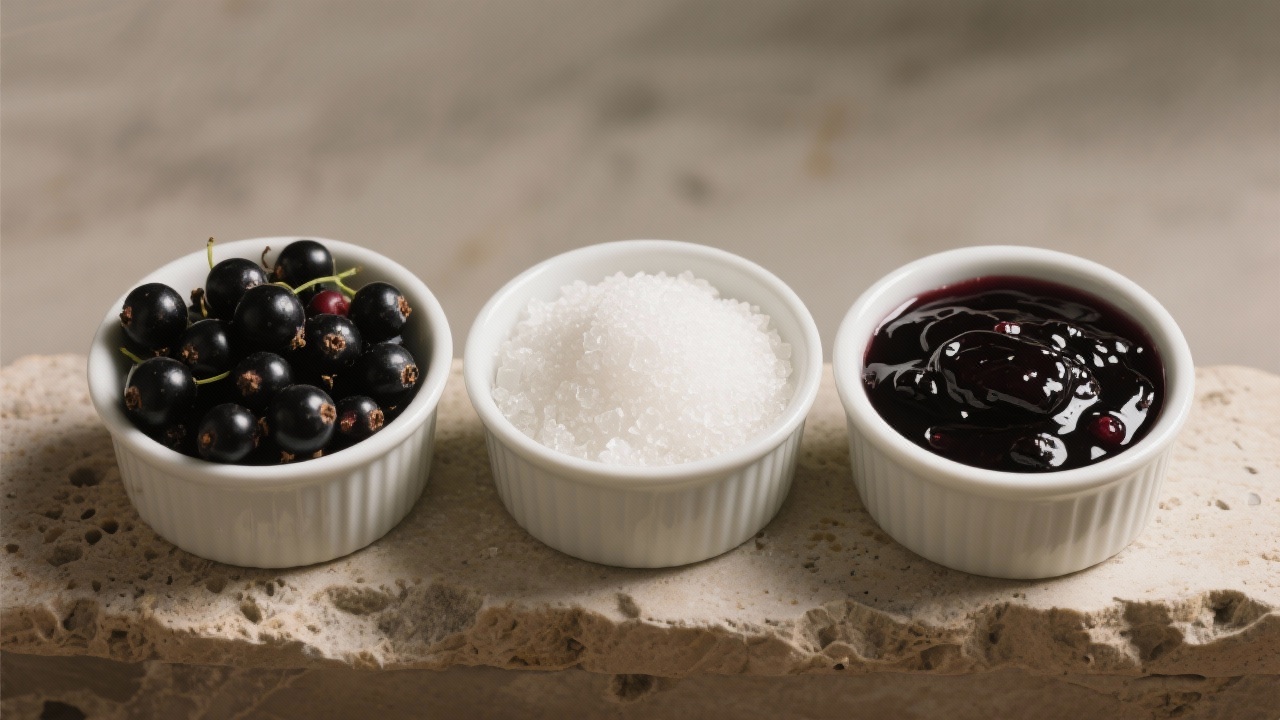
Sugar Quantity Control: The amount of sugar added is not only about sweetness but also impacts the jam's texture and preservation. Generally, for every 500 grams of frozen blackcurrants, adding 250 - 300 grams of sugar is a good ratio. This amount helps the jam achieve a proper consistency and maintains its shelf life.
Lemon Juice for Acidity Adjustment: Lemon juice is a secret weapon in making blackcurrant jam. Adding about 15 - 20 ml of lemon juice to every 500 grams of blackcurrants can lower the pH level, which is beneficial for both the color and the gelling of the jam. It also enhances the overall flavor, giving it a fresh and tangy note.
Cooking Temperature: Low - heat slow cooking is the key. Start with medium - low heat to let the blackcurrants release their juice gradually. Once the sugar is added, reduce the heat to low and simmer for about 30 - 40 minutes, stirring constantly. This slow - cooking process helps the jam thicken evenly without burning.
| Aspect | Fresh Blackcurrants | Frozen Blackcurrants |
|---|---|---|
| Nutritional Retention | May lose nutrients during storage | Vitamin C retention rate > 85% |
| Consistency | Varies due to different harvest times | More consistent in quality |
| Availability | Seasonal | Available year - round |
Some people think that fresh fruits are always better for making jam. However, as we've seen from the comparison, frozen blackcurrants have more controllability and stability. Another common misconception is that more sugar will make the jam last longer. While sugar does have a preserving effect, excessive sugar can mask the natural flavor of the blackcurrants. So, it's important to follow the appropriate ratio.
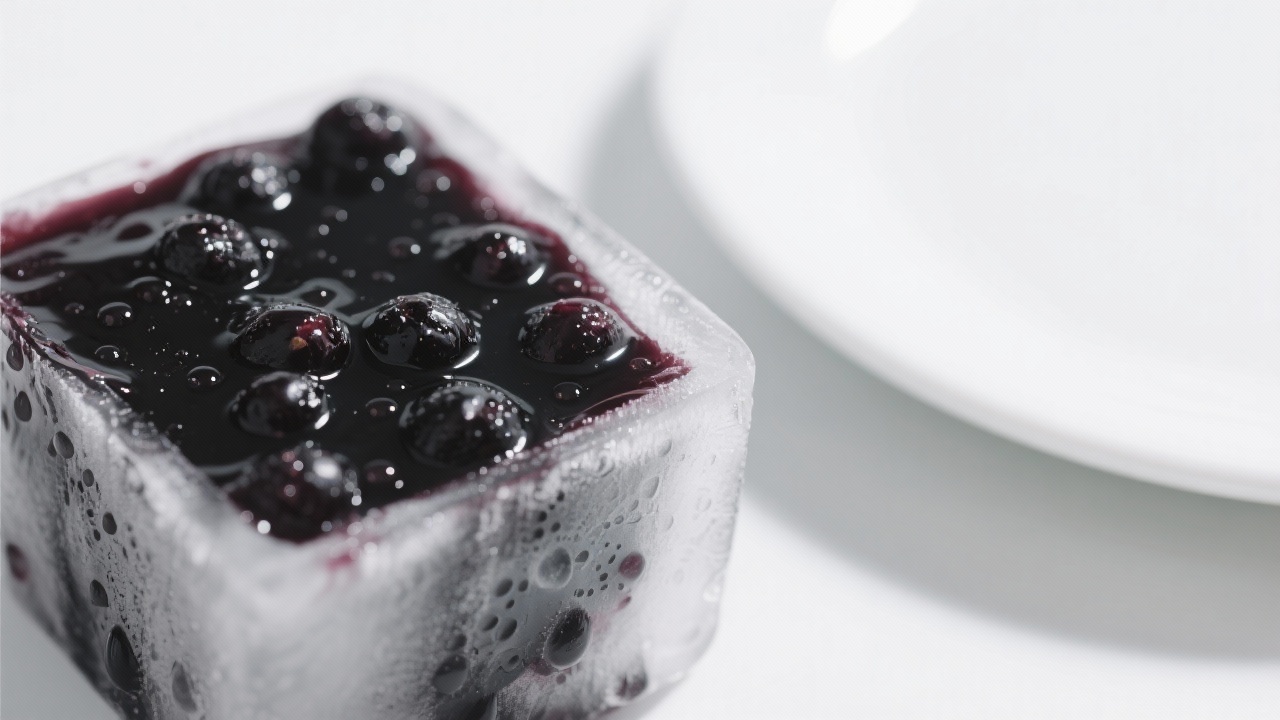
Many home cooks have successfully made amazing blackcurrant jam using our frozen blackcurrants. One customer shared that by carefully following the slow - thawing and low - heat cooking methods, they got a jam with a beautiful color and rich flavor. As a tip, after the jam is cooked, let it cool slightly before pouring it into sterilized jars. This helps prevent the glass jars from cracking due to the sudden temperature change.
Do you have any experiences in making blackcurrant jam? Leave a message and share your insights! If you're ready to start making high - quality blackcurrant jam with our premium frozen blackcurrants, click here to learn more.
_(2).jpg?x-oss-process=image/resize,m_fill,h_600,w_600/format,webp)


.jpg?x-oss-process=image/resize,m_fill,h_600,w_600/format,webp)


.jpg?x-oss-process=image/resize,m_fill,h_600,w_600/format,webp)