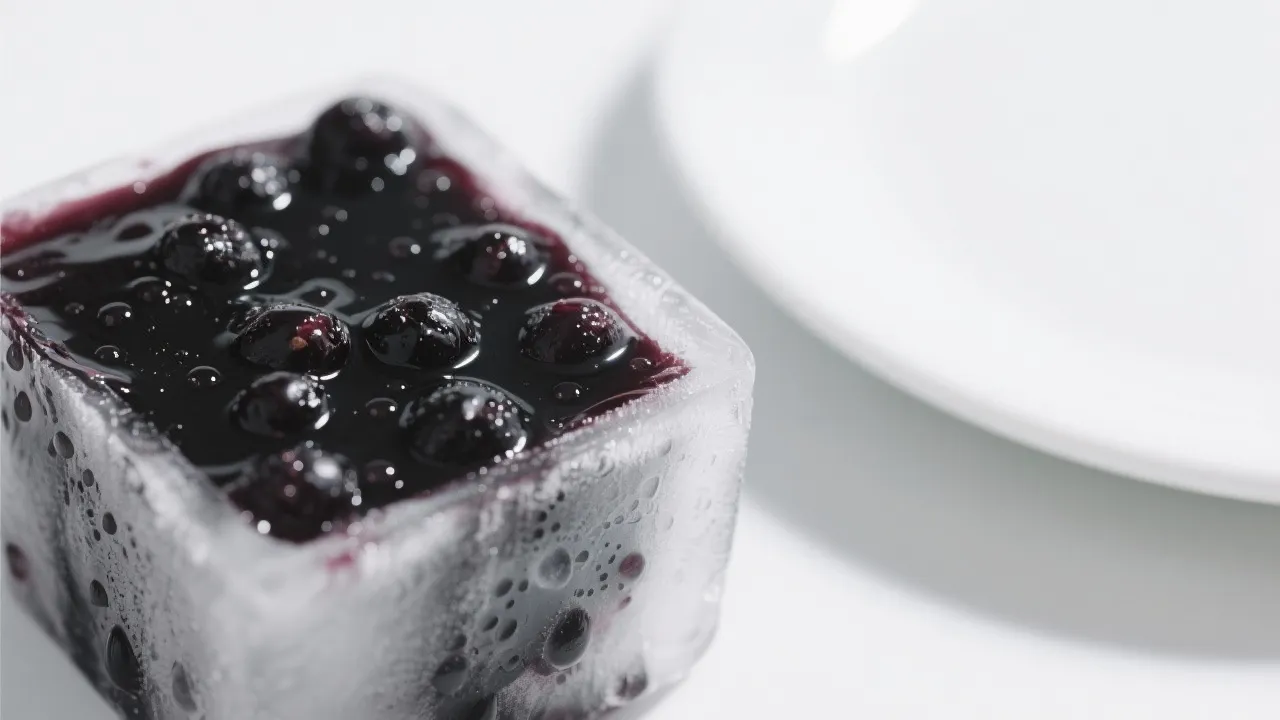
This article comprehensively analyzes the application value of frozen blackcurrants in jam processing. By combining food science principles, it delves deep into the protection mechanism of quick - freezing technology on nutrients and color.
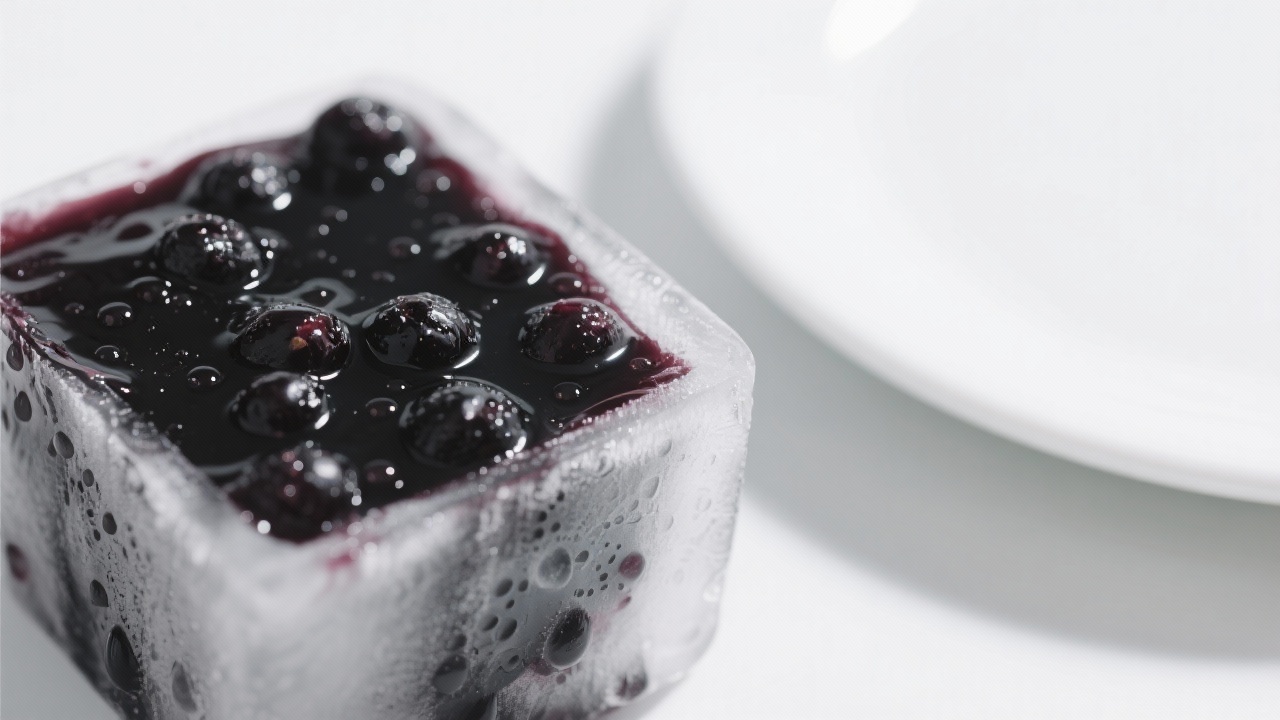
Quick - freezing technology is a game - changer in the production of blackcurrant jam. It can effectively lock in freshness, protecting vitamin C and anthocyanins. Research shows that up to 90% of vitamin C can be retained through proper quick - freezing. These nutrients are not only beneficial to human health but also contribute to the natural flavor and bright color of the jam. For example, anthocyanins give the jam its attractive purple - red color, and vitamin C helps maintain the jam's antioxidant properties.
The thawing process of frozen blackcurrants is crucial, especially the control of moisture. Excessive moisture can lead to a thinner consistency of the jam, while too little moisture may result in a lumpy texture. A recommended method is to thaw the blackcurrants slowly in a refrigerator at around 4°C. This can reduce the loss of moisture and ensure that the water content in the blackcurrants is evenly distributed. The right amount of moisture can also affect the pectin release in blackcurrants, which is essential for the thickening of the jam. Generally, the optimal water content for jam - making blackcurrants after thawing is around 80 - 85%.
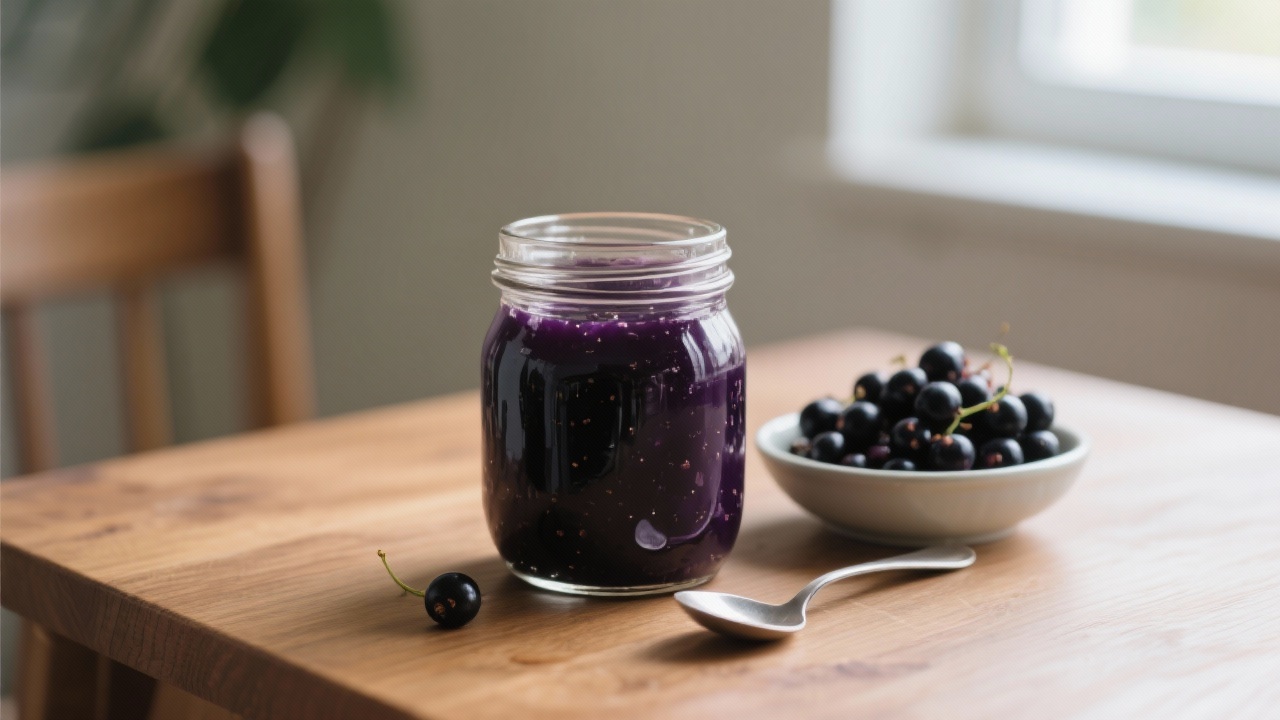
The timing of sugar addition and acidity adjustment is key to enhancing the taste and flavor stability of the jam. Sugar not only acts as a preservative but also affects the texture and sweetness of the jam. Adding sugar at the right time, usually when the blackcurrants are almost cooked, can prevent excessive caramelization and ensure a balanced flavor. As for acidity adjustment, adding a small amount of lemon juice can help adjust the pH value of the jam to around 3 - 3.5, which is the optimal range for pectin to work effectively and preserve the jam for a longer time.
There are many myths in the industry regarding the use of frozen fruits. Some people think that frozen blackcurrants have lower nutritional value or worse taste compared to fresh ones. However, as mentioned above, with proper quick - freezing technology, the nutritional value can be well - preserved. And in terms of taste, the controlled thawing and processing can make the jam made from frozen blackcurrants as delicious as that from fresh ones. By clarifying these myths, we can enhance the confidence of home and small - scale producers.
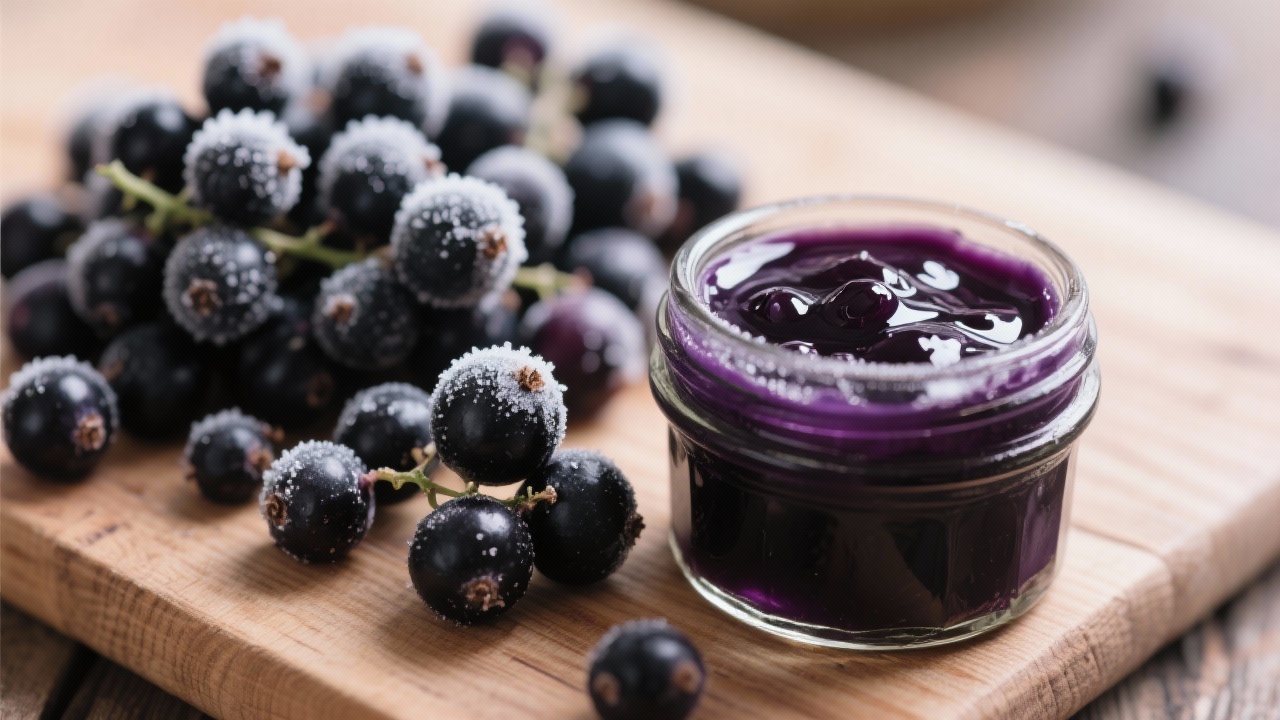
There are many successful cases of small workshops and start - up brands using frozen blackcurrants to make jam. For instance, a small family - run jam workshop in France increased its production efficiency by 30% and improved the flavor consistency of its jam by following the techniques mentioned in this article. These real - life examples provide practical guidance for other producers.
In conclusion, this article combines theory and practice, offering professional and practical technical support for home and small - scale jam producers. If you want to learn more about the advanced techniques of frozen blackcurrant jam production and interact with other experts, click here to access more technical materials and join the discussion!


_(2).jpg?x-oss-process=image/resize,m_fill,h_600,w_600/format,webp)


.jpg?x-oss-process=image/resize,m_fill,h_600,w_600/format,webp)
.jpg?x-oss-process=image/resize,m_fill,h_600,w_600/format,webp)
_(4).jpg?x-oss-process=image/resize,m_fill,h_600,w_600/format,webp)

.jpg?x-oss-process=image/resize,m_fill,h_600,w_600/format,webp)