In the highly competitive global jam export market, maintaining product quality and stability while optimizing costs is a constant challenge for businesses. This article delves into the advantages and cost - effectiveness of using frozen blackcurrants in jam production, offering valuable insights for export - oriented jam enterprises.
Jam production often encounters issues such as flavor degradation, color fading, and inconsistent texture. According to a study by the International Food Science Association, nearly 30% of jam products face quality problems during the production and storage process. These problems not only affect the market competitiveness of products but also lead to increased production costs.
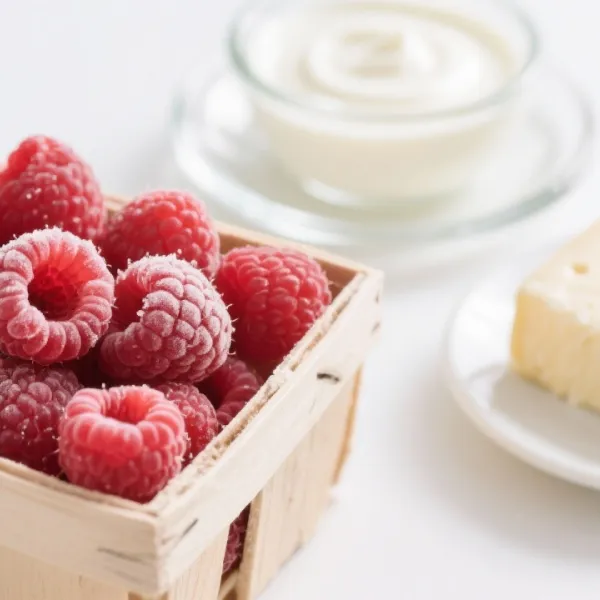
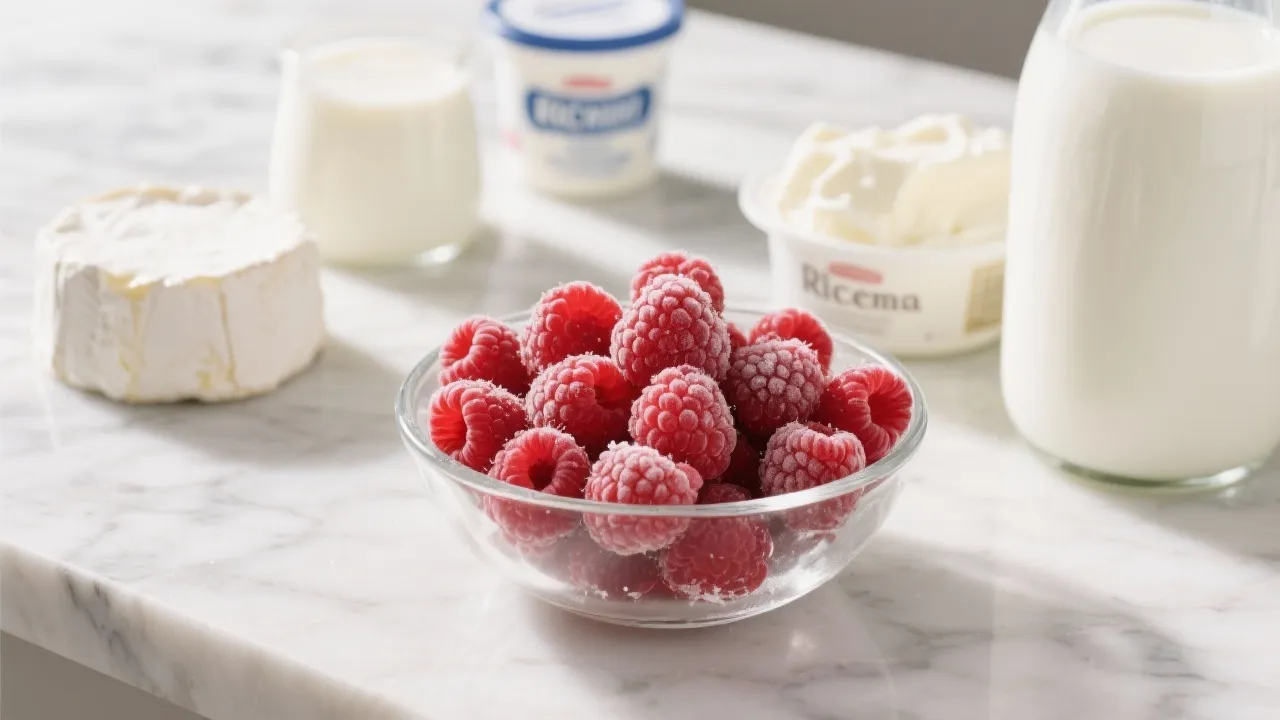
Frozen blackcurrants are processed using quick - freezing technology, which can effectively lock in the nutrients. Research shows that compared with fresh blackcurrants stored at room temperature for 24 hours, frozen blackcurrants can retain up to 90% of vitamin C and 85% of anthocyanins. These nutrients not only enhance the nutritional value of the jam but also contribute to its bright color and natural flavor.
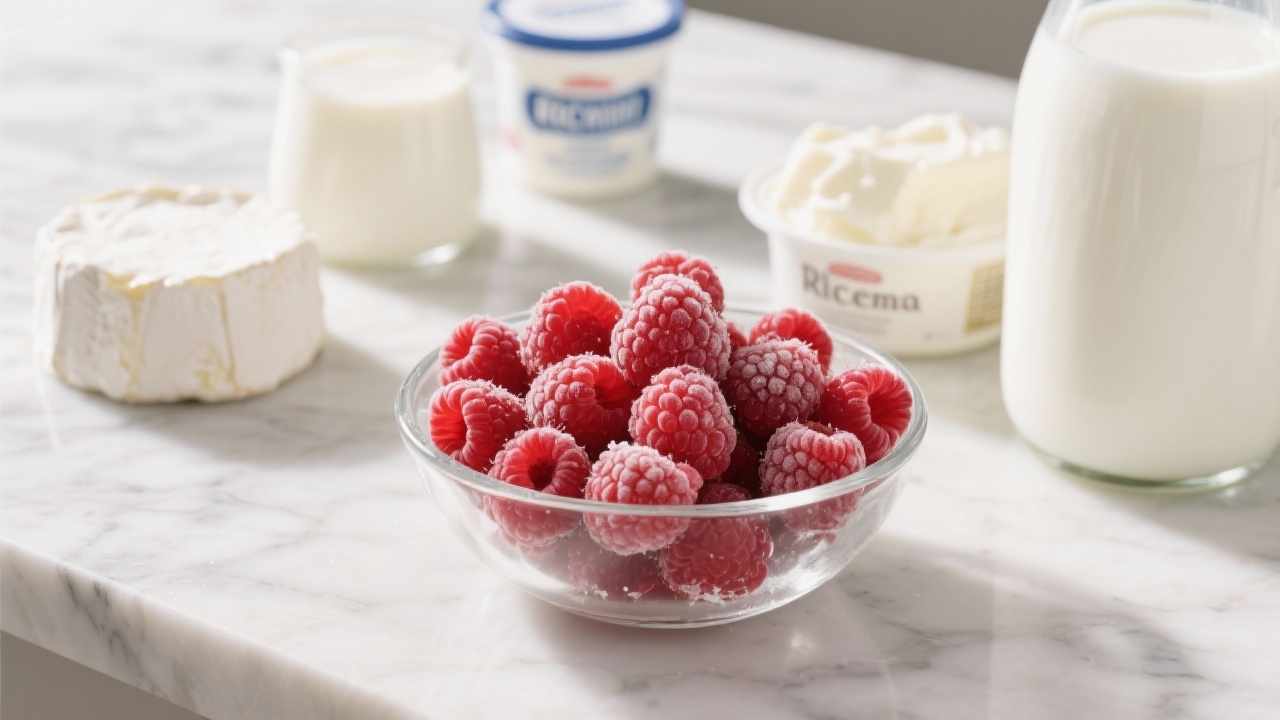
In jam production, the stability of raw materials is crucial. Frozen blackcurrants have more consistent quality compared to fresh ones. They can ensure that each batch of jam has a uniform flavor and texture, reducing the probability of quality fluctuations. A survey of 100 jam producers found that those using frozen blackcurrants had a 20% higher product qualification rate than those using fresh blackcurrants.
Proper thawing is essential for maintaining the quality of frozen blackcurrants. It is recommended to thaw them slowly at a low temperature (around 4°C) to prevent the loss of nutrients and moisture. This method can ensure that the blackcurrants retain their original shape and texture, which is beneficial for subsequent processing.
The amount of sugar added and the adjustment of acidity are key factors affecting the taste and shelf - life of jam. Generally, adding 40% - 60% of sugar based on the weight of blackcurrants can achieve a good sweet - sour balance. At the same time, adjusting the pH value to 3 - 3.5 can inhibit the growth of microorganisms and extend the shelf - life of the jam.
During the boiling process, controlling the temperature and time is crucial to prevent the loss of nutrients and flavor. It is advisable to boil the jam at a temperature of 100 - 105°C for about 20 - 30 minutes, which can ensure the thickening of the jam while maintaining its nutritional value and flavor.
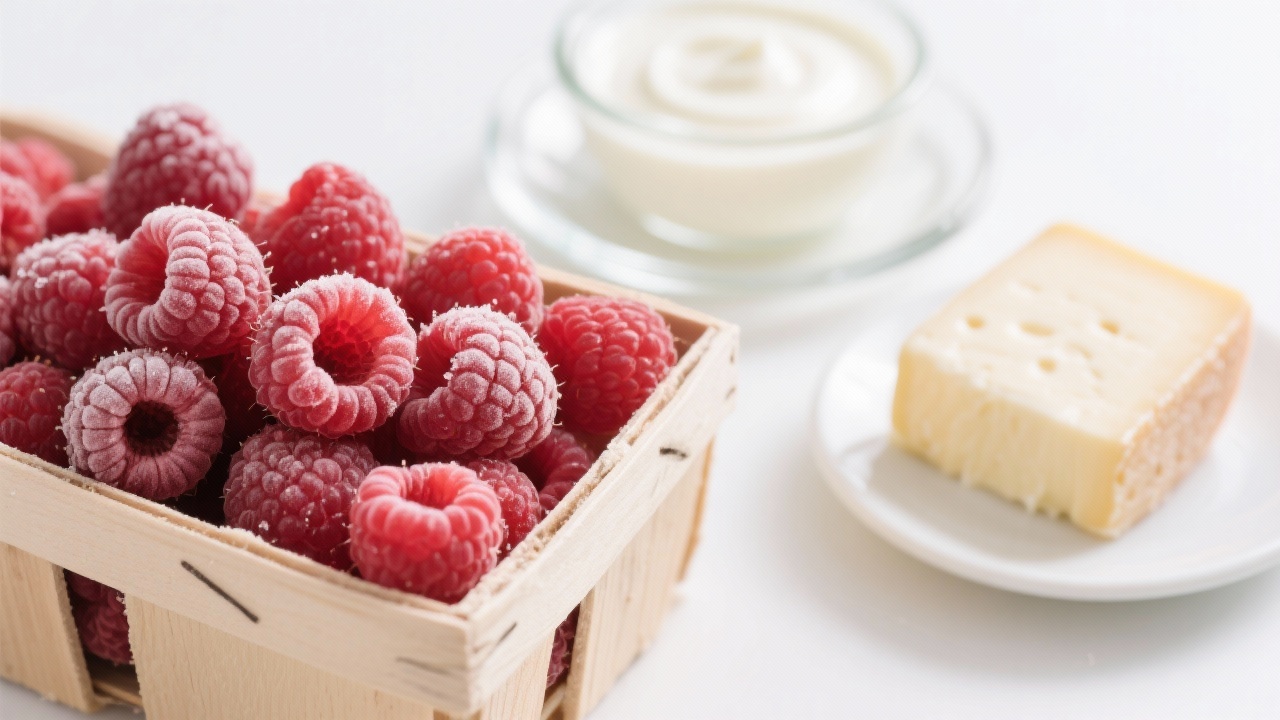
Many small - scale jam producers have achieved remarkable results by using frozen blackcurrants. For example, a family - owned jam factory in France increased its production efficiency by 30% and reduced production costs by 15% after switching to frozen blackcurrants. Their products also gained a better reputation in the market due to their stable quality and excellent flavor.
In conclusion, using frozen blackcurrants in jam production offers significant advantages in terms of quality, stability, and cost - effectiveness. Whether you are an established export - oriented jam enterprise or a small - scale producer, leveraging the benefits of frozen blackcurrants can help you enhance your product competitiveness and achieve sustainable development.
We invite you to download our technical whitepaper for in - depth insights into using frozen blackcurrants in jam production. Click here to download now! Also, feel free to leave your comments and questions below, and our experts will be happy to share more experience with you.
_(2).jpg?x-oss-process=image/resize,m_fill,h_600,w_600/format,webp)


_(4).jpg?x-oss-process=image/resize,m_fill,h_600,w_600/format,webp)


.jpg?x-oss-process=image/resize,m_fill,h_600,w_600/format,webp)