In the competitive global market for frozen fruits, maintaining the nutritional integrity and visual appeal of blackberries during freezing and shipping is crucial. Rapid freezing, an advanced preservation technique, addresses these concerns by swiftly lowering the fruit's core temperature below the freezing point, effectively locking in its fresh qualities. This article explores the scientific mechanisms behind rapid freezing, highlights its superiority over conventional slow freezing methods, and examines a meticulous production process ensuring high-quality frozen blackberries for food processing industries, health beverage manufacturers, and discerning consumers worldwide.
Rapid freezing—also known as flash freezing—minimizes the time for ice crystal formation inside blackberry cells. Unlike slow freezing, which can take hours and causes large ice crystals to develop, rapid freezing reduces the core temperature within minutes, generating microscopic ice crystals. These smaller crystals cause significantly less cellular damage, preserving the fruit's structure and nutrient content more effectively.
Studies show that rapid freezing retains up to 90% of key nutrients like vitamin C and anthocyanins (the pigments responsible for the fruit's vibrant color and antioxidant properties), whereas slow freezing may only preserve 60-70%. Effective nutrient retention is vital for maintaining not only health benefits but also consumer appeal based on color and texture.
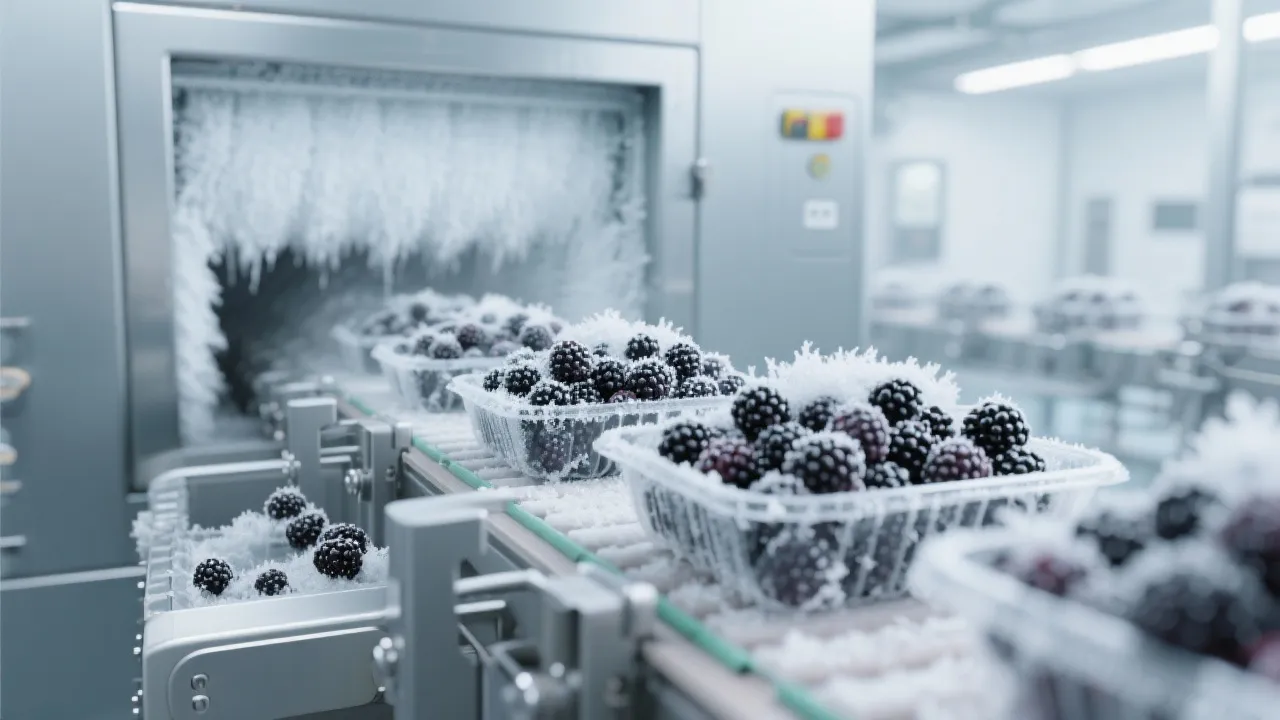
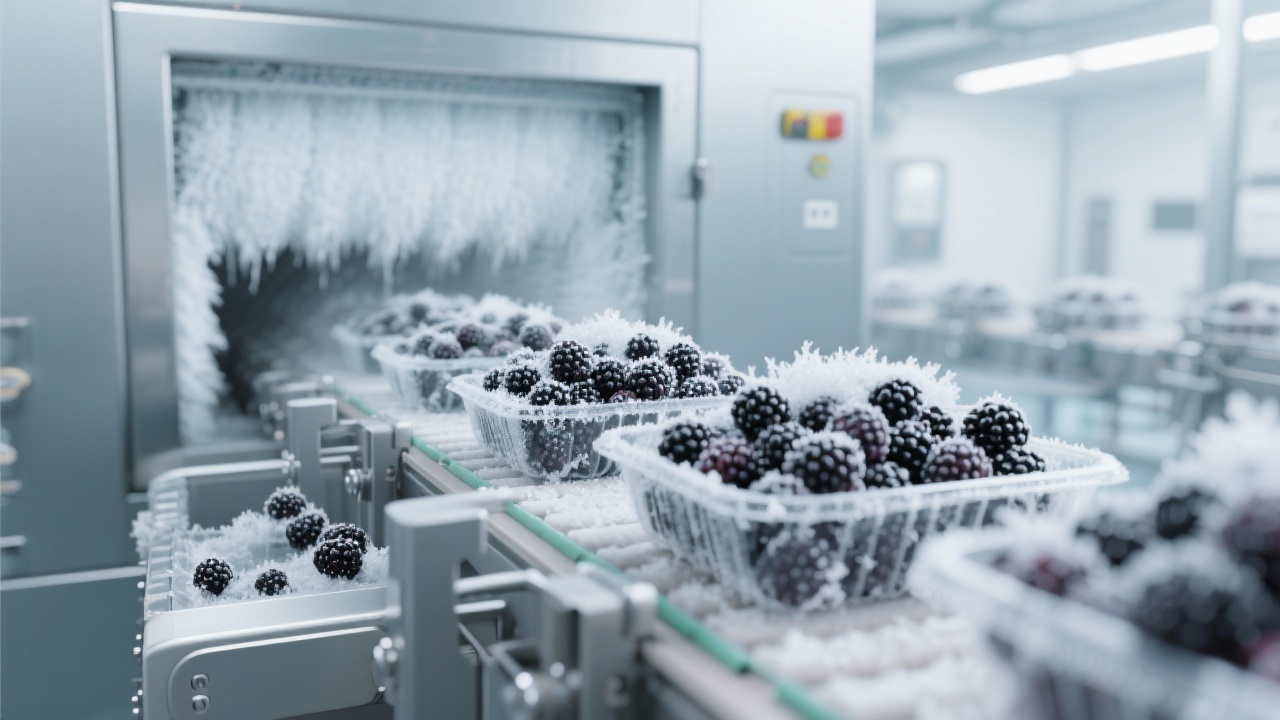
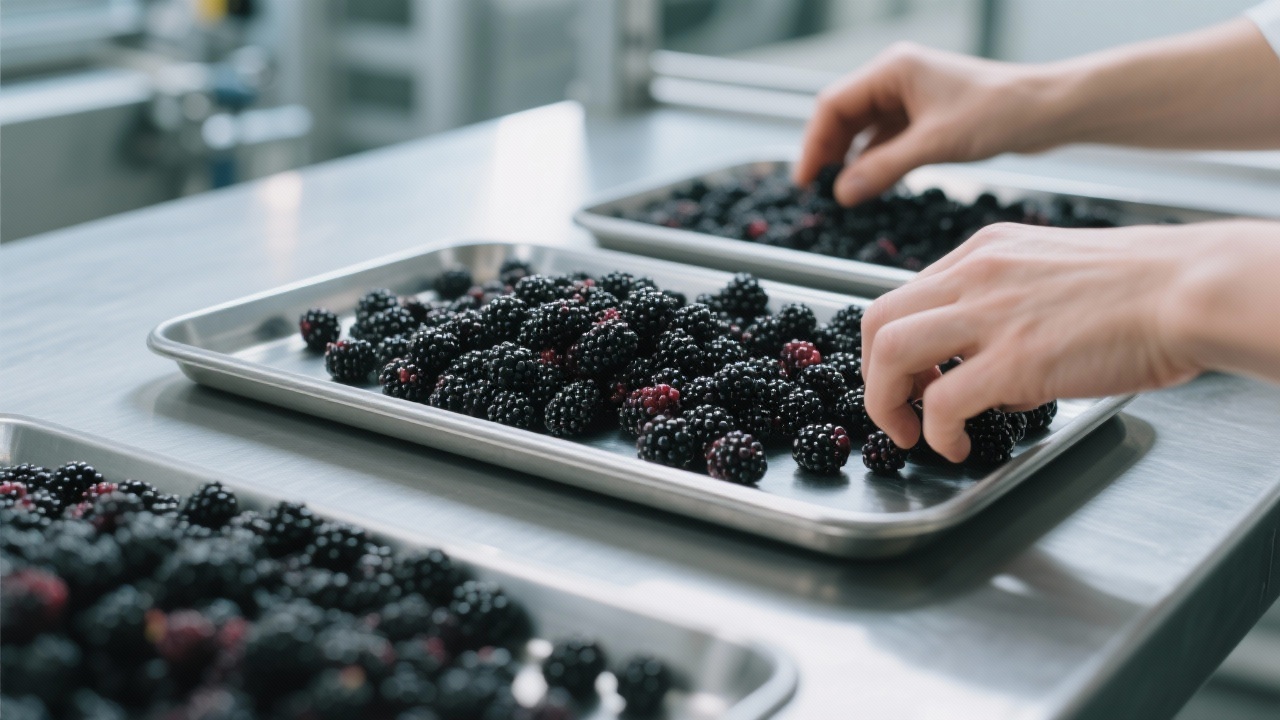
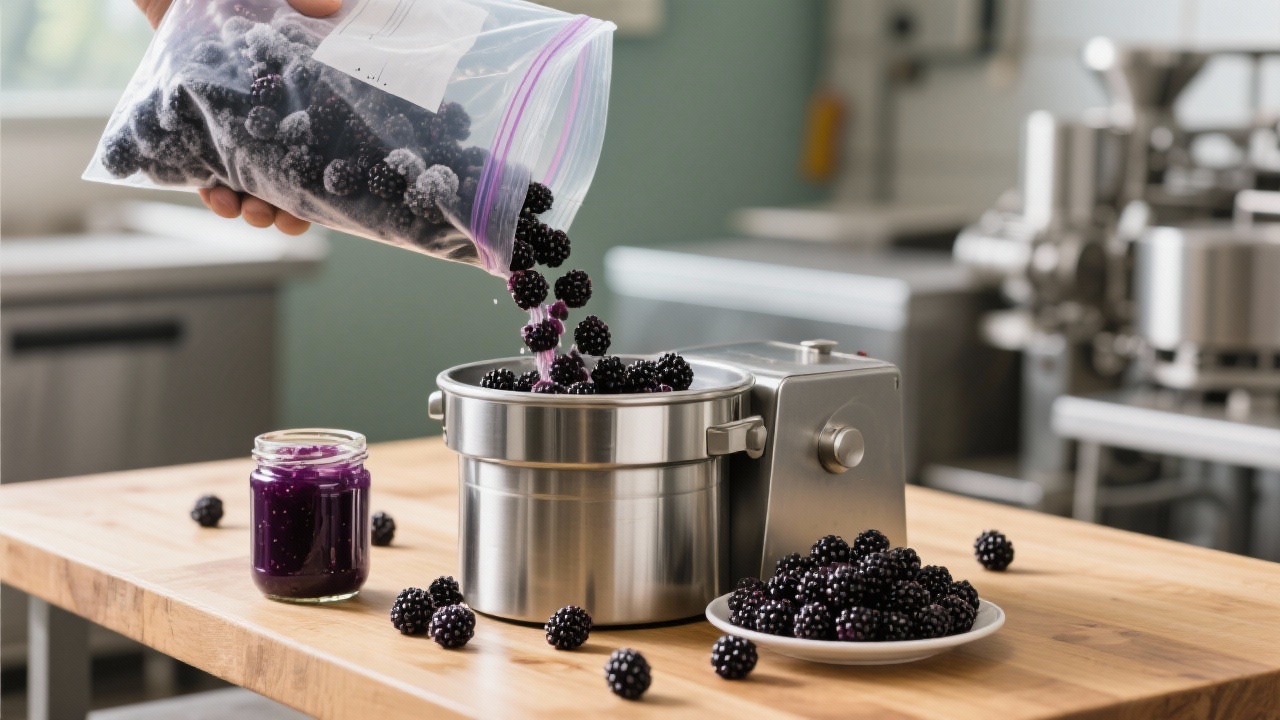
Achieving superior frozen blackberry quality requires a robust, multi-step process beginning with careful handpicking of ripe berries at optimal maturity. Each batch undergoes triple rigorous manual sorting to eliminate damaged or underripe fruits, ensuring a high intact fruit ratio. Post-selection, berries are promptly loaded into rapid freezing tunnels where temperatures plunge below -30°C within minutes.
This speed is critical to halt enzymatic activity and oxidation reactions, which otherwise degrade antioxidants and vitamins. Packaging is sterilized and oxygen-reducing to further limit nutrient loss during subsequent cold storage and logistics phases. Continuous temperature monitoring throughout the cold chain ensures consistent product quality on arrival to distributors and end-users.
| Parameter | Rapid Freezing | Slow Freezing |
|---|---|---|
| Core Freezing Time | 5-10 minutes | 3-4 hours |
| Ice Crystal Size | ~10 micrometers | ~100 micrometers |
| Vitamin C Retention | ~90% | ~65% |
| Anthocyanin Retention | ~88% | ~60% |
| Post-thaw Integrity | High (Minimal damage) | Low (Noticeable cell damage) |
Food processors rely on premium frozen blackberries to maintain flavor consistency and nutritional value in yogurts, desserts, and smoothies. Health beverage manufacturers value rapid-frozen berries to offer nutrient-dense, antioxidant-rich products that meet consumer health trends. Moreover, supermarkets prioritizing quality frozen fruit sections increase buyer confidence by sourcing from suppliers employing this stringent freezing and quality control technology.
For example, a major juice brand using rapid-frozen blackberries reported a 20% increase in shelf-life and a notable improvement in antioxidant content compared to products using conventionally frozen fruit — boosting brand credibility among health-conscious customers.
Controlling oxygen exposure remains a critical challenge in maintaining blackberry antioxidants post-harvest. Combined with rapid freezing, industry-leading practices include:
These combined steps limit enzymatic browning and oxidation, significantly preserving anthocyanin brightness and overall fruit freshness during global export.
Choosing blackberries processed with rapid freezing technology translates into clear advantages:
These factors combine to boost brand trust and consumer loyalty in fiercely competitive frozen fruit markets.


_(2).jpg?x-oss-process=image/resize,m_fill,h_600,w_600/format,webp)




.jpg?x-oss-process=image/resize,m_fill,h_600,w_600/format,webp)