How to Choose Frozen Blackberries: 3 Quality Checks, Best Growing Regions, and Flash-Freezing Labels
2026-02-19
E-BizBridge
Tutorial Guide
Frozen blackberries can be a convenient, nutrient-dense staple—if you know what to look for. This guide helps you avoid common quality traps by focusing on three practical checks: berry integrity (whole-berry rate and low ice/frost), traceable growing region and harvest standards, and clear rapid-freezing/flash-freezing identification on the label. You’ll also learn science-backed storage and thawing routines—keeping a steady -18°C (0°F), preventing temperature swings, and avoiding refreezing—to preserve flavor, texture, and key nutrients. With scenario-based tips for baking, smoothies, and everyday nutrition, plus quick-reference visuals like comparison tables and temperature diagrams, you can make confident choices and use frozen blackberries correctly from purchase to plate.
Frozen blackberries can be a quiet hero in your freezer—until you open the bag and find purple dust, icy clumps, and berries that taste “flat.” If you’ve ever wondered how to choose frozen blackberries without getting disappointed, you’re in the right place.
This guide walks you through 3 practical quality checks (fruit integrity, origin, and freezing method), plus storage and thawing steps that help protect flavor, texture, and nutrients for smoothies, baking, and everyday meals.
The 3 No-Regret Standards for Choosing Frozen Blackberries
When you shop for frozen blackberries, it’s tempting to focus on bag size or a nice-looking front label. But quality shows up in details that are surprisingly easy to check. Use these three standards as your quick filter—especially if you’re buying for baking, beverages, or nutrition routines.
1) Whole Berry Ratio: Look for “More Fruit, Less Dust”
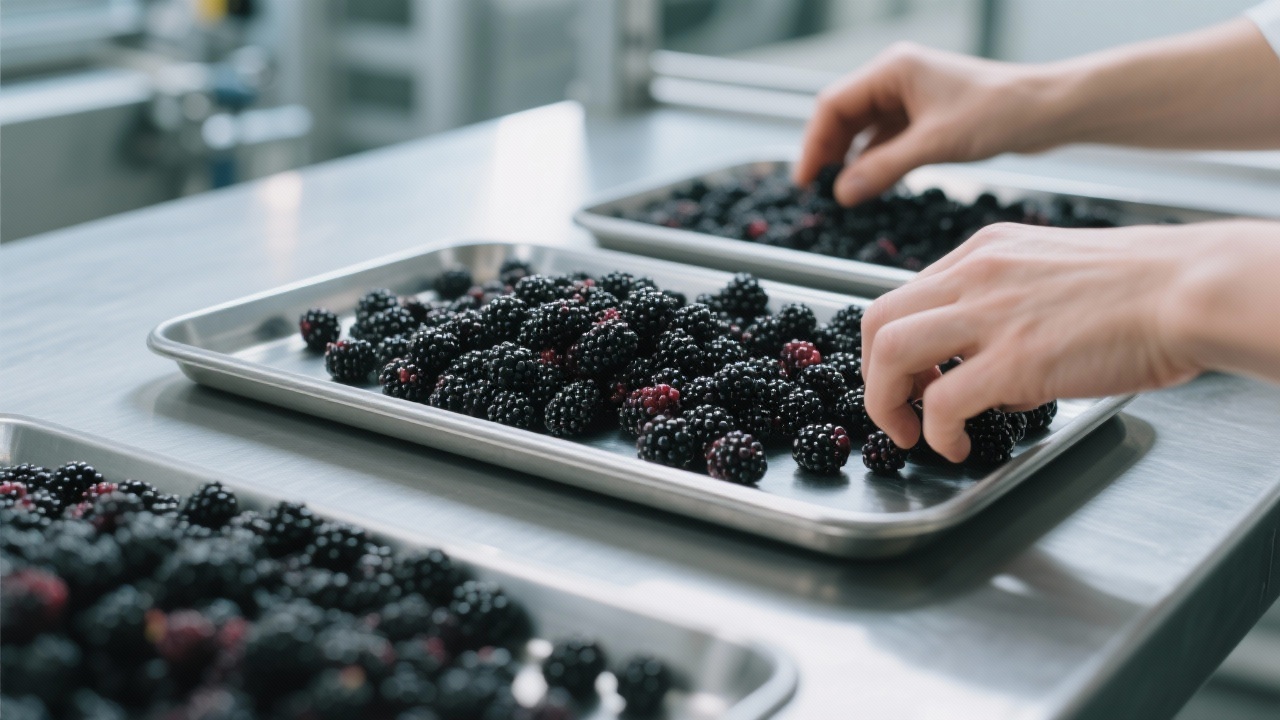
The first giveaway is how many berries remain whole and separate. Broken fruit isn’t automatically “unsafe,” but it can signal rough handling, temperature swings, or older stock—all of which can impact taste and texture.
What You See in the Bag
What It Usually Means
Best Use
Mostly whole berries, minimal purple “snow”
Good handling + stable freezing
Toppings, baking, yogurt bowls
Noticeable broken pieces, some clumping
Moderate thaw-refreeze stress or compression
Smoothies, sauces
Lots of icy blocks + heavy purple powder
Likely temperature fluctuation; juice leakage and refreezing
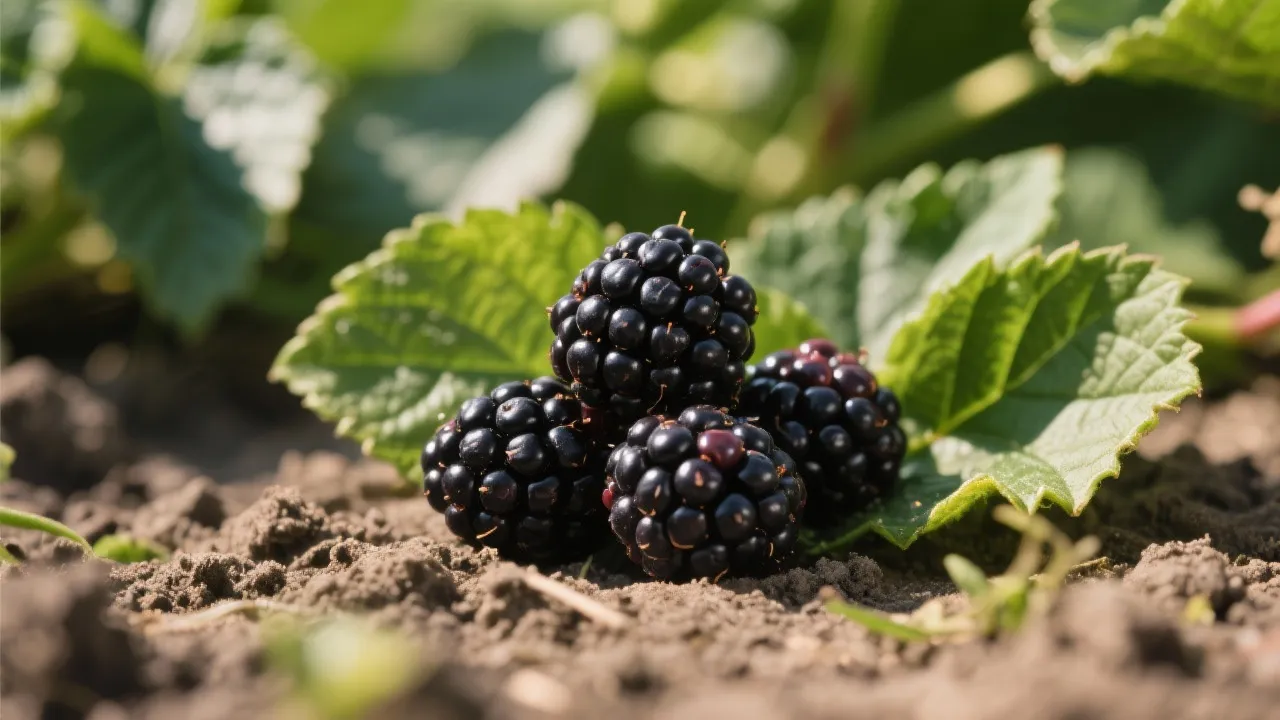
If you’ve tasted frozen blackberries that were pleasantly floral and balanced, and others that were sharply sour or watery, origin may be the reason. Climate, sunlight hours, harvest timing, and supply-chain speed all influence sweetness, aroma, and firmness.
In general, blackberries harvested at peak ripeness and frozen quickly tend to retain better flavor. Many major export-grade berries come from regions with established berry agriculture and fast cold-chain infrastructure.
Common Sourcing Regions (Examples)
Typical Strengths
What to Check on the Label
Pacific Northwest (USA), British Columbia (Canada)
3) Freezing Technology: Choose IQF for Better Texture and Less Clumping
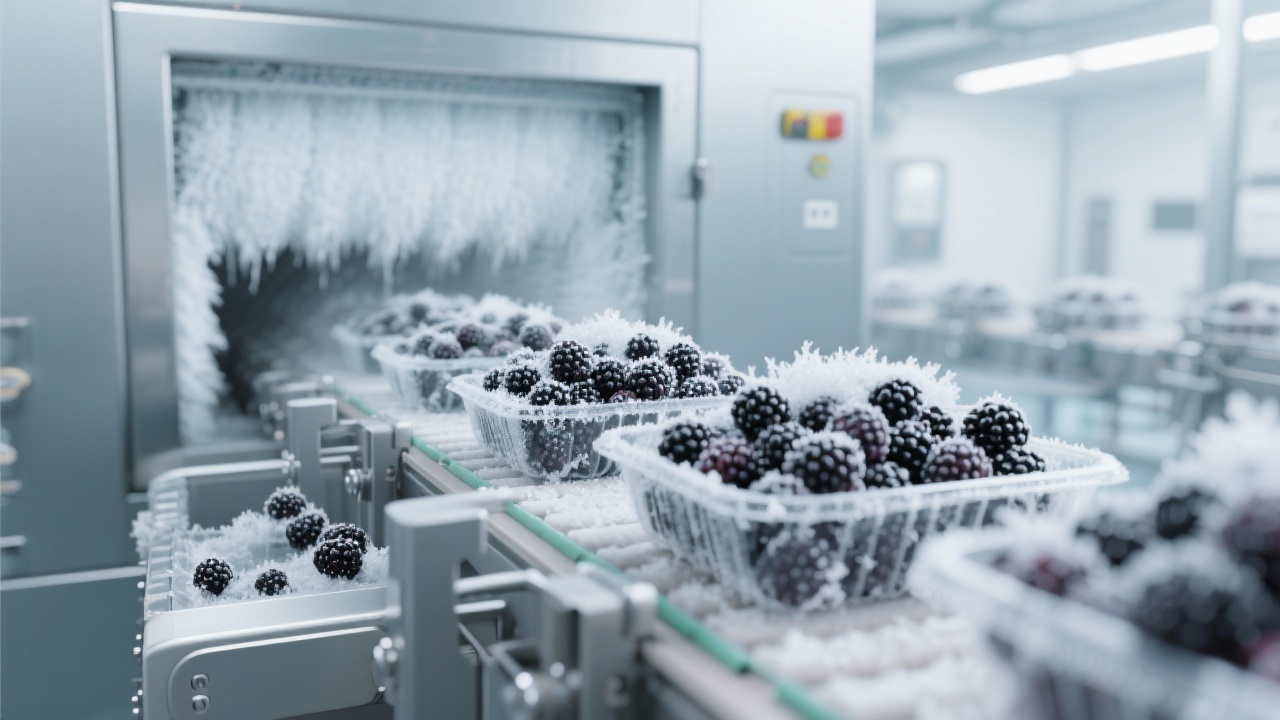
For frozen berries, freezing method matters. The most buyer-friendly term to look for is IQF (Individually Quick Frozen). IQF typically means berries are frozen rapidly as separate pieces rather than in a mass that turns into a solid block.
Fast freezing tends to form smaller ice crystals, which helps reduce cell damage—so when you thaw the berries, you often get less juice leakage and a more pleasant bite.
Reference data (nutrition retention): Multiple food science reviews have found that properly frozen berries can retain a high share of antioxidant activity, often staying within 80–95% of fresh counterparts over several months when stored consistently at -18°C (0°F). Exact numbers vary by cultivar, handling, and storage time—but stable temperature is the real “multiplier.”
Storage Rules That Protect Flavor (and Prevent the “Icy Brick” Problem)
Most frozen blackberry disappointment doesn’t start at the factory—it starts in everyday storage. Your two biggest enemies are temperature fluctuation and moisture exposure.
Target Temperature: -18°C (0°F) or Colder
For best quality, keep frozen blackberries at -18°C or below. Many home freezers can do this, but frequent door opening can create micro-thaws near the front.
Storage Habit
What Happens
Easy Fix
Bag stored near freezer door
More warming cycles → frost + clumps
Store toward the back/bottom
Bag left open or loosely sealed
Moisture uptake → freezer burn
Press air out; reseal tightly
Repeated “take out, thaw, refreeze”
Texture loss; higher drip; dull flavor
Portion into smaller containers
A Simple Portioning Trick (That Saves Texture)
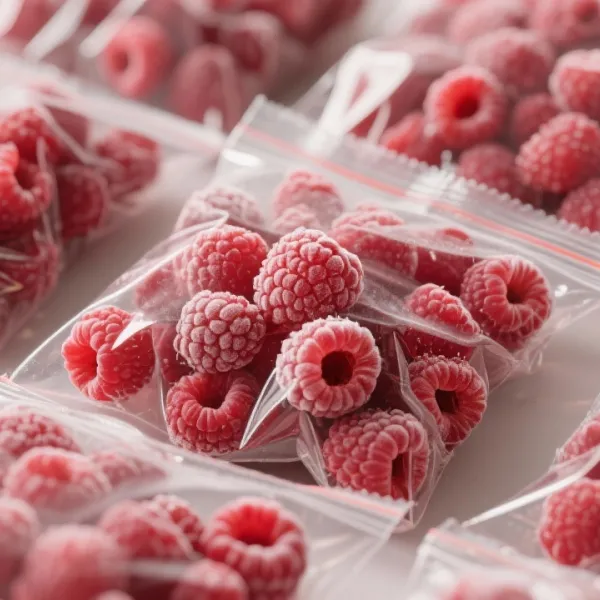
If you use blackberries a few times a week, don’t keep dipping into the same big bag. Split them into small freezer-safe jars or zip bags (enough for one smoothie or one baking batch). Less exposure equals less frost, less odor transfer, and better berry shape.
How to Thaw Frozen Blackberries Without Turning Them Mushy
Blackberries are high in water and naturally fragile, so thawing is where texture can collapse. The “best method” depends on what you’re making—so choose based on your end result, not a one-size rule.
Goal
Best Thaw Approach
Why It Works
Smoothies
No thaw (blend from frozen)
Keeps body thick; avoids drip loss
Baking (muffins, pies)
Use frozen, toss with a little flour
Reduces bleeding and soggy batter
Toppings (yogurt, oats)
Fridge thaw 6–10 hours
Gentler thaw = better shape
Sauces & compote
Direct heat (cook from frozen)
You want the juices—no need to protect firmness
Common Mistakes That Quietly Ruin Frozen Blackberries
Mistake: Rinsing after thawing
When thawed berries are rinsed, you wash away flavorful juice and make the texture even softer. If you want to rinse, do it quickly while still mostly frozen, then pat gently and use immediately.
Mistake: Judging quality only by color
Deep purple-black is normal, but it doesn’t guarantee sweetness. Your better quality signals are whole berry ratio, low frost, and an IQF/quick-frozen claim supported by a free-flowing texture in the bag.
Mistake: Re-freezing leftovers from a bowl
Once berries have warmed and released juice, re-freezing forms bigger ice crystals and amplifies mushiness next time. Portion first, then thaw only what you’ll actually use.
Want More Consistent, Cleaner Frozen Blackberries for Smoothies & Baking?
If you’re sourcing for a kitchen, café, or food brand—or you simply care about stable lots and better berry integrity—use this checklist to guide your next purchase decision and quality comparison.



_(2).jpg?x-oss-process=image/resize,m_fill,h_600,w_600/format,webp)


.jpg?x-oss-process=image/resize,m_fill,h_600,w_600/format,webp)


.jpg?x-oss-process=image/resize,m_fill,h_600,w_600/format,webp)


