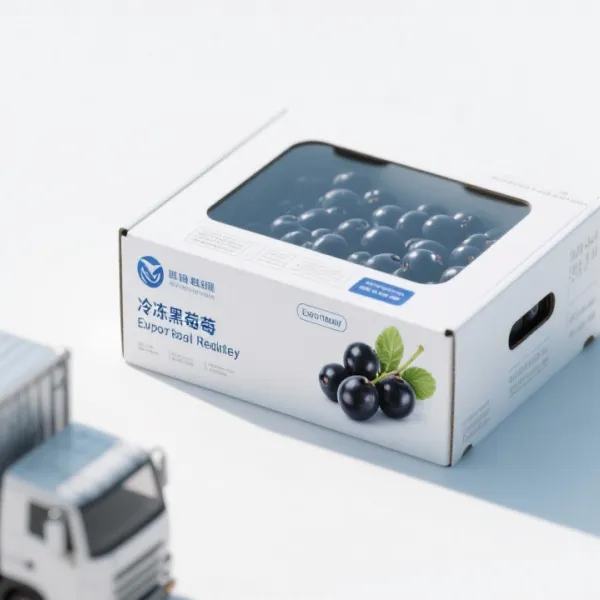
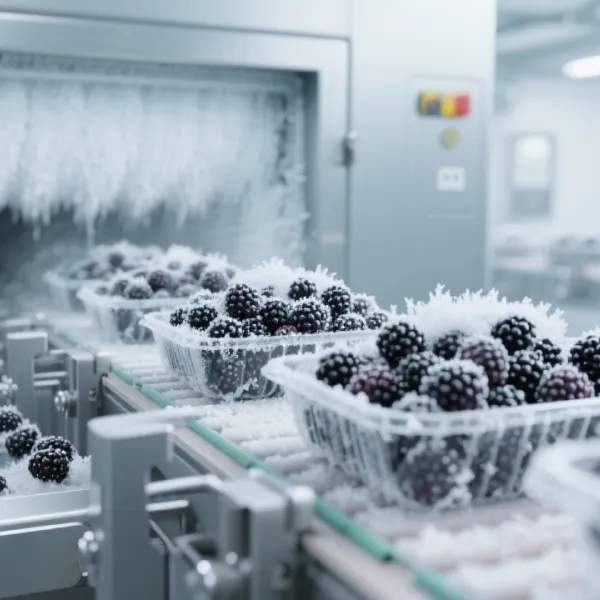
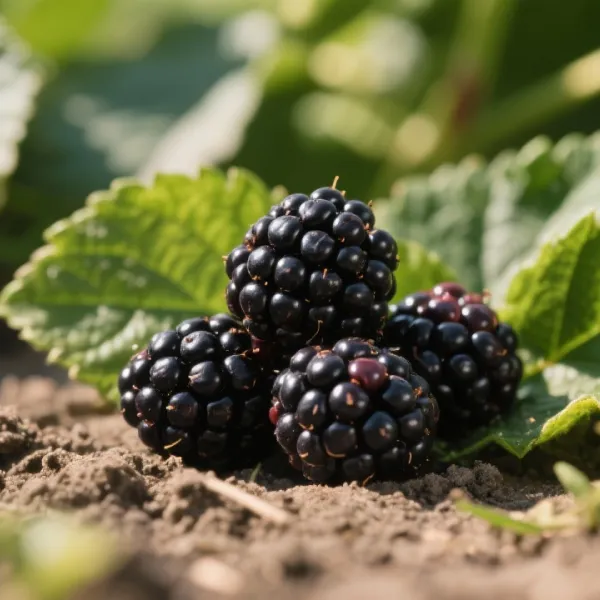
In today's competitive food industry landscape, securing high-quality frozen red raspberries in bulk quantities has become a critical operational challenge for food manufacturers, bakeries, and foodservice providers. The complexity of maintaining product integrity from harvest to delivery requires a strategic approach that balances quality control, supply chain efficiency, and cost management. This comprehensive guide explores the essential elements of successful bulk frozen red raspberry procurement, offering actionable insights for procurement professionals seeking to optimize their supply chain operations.
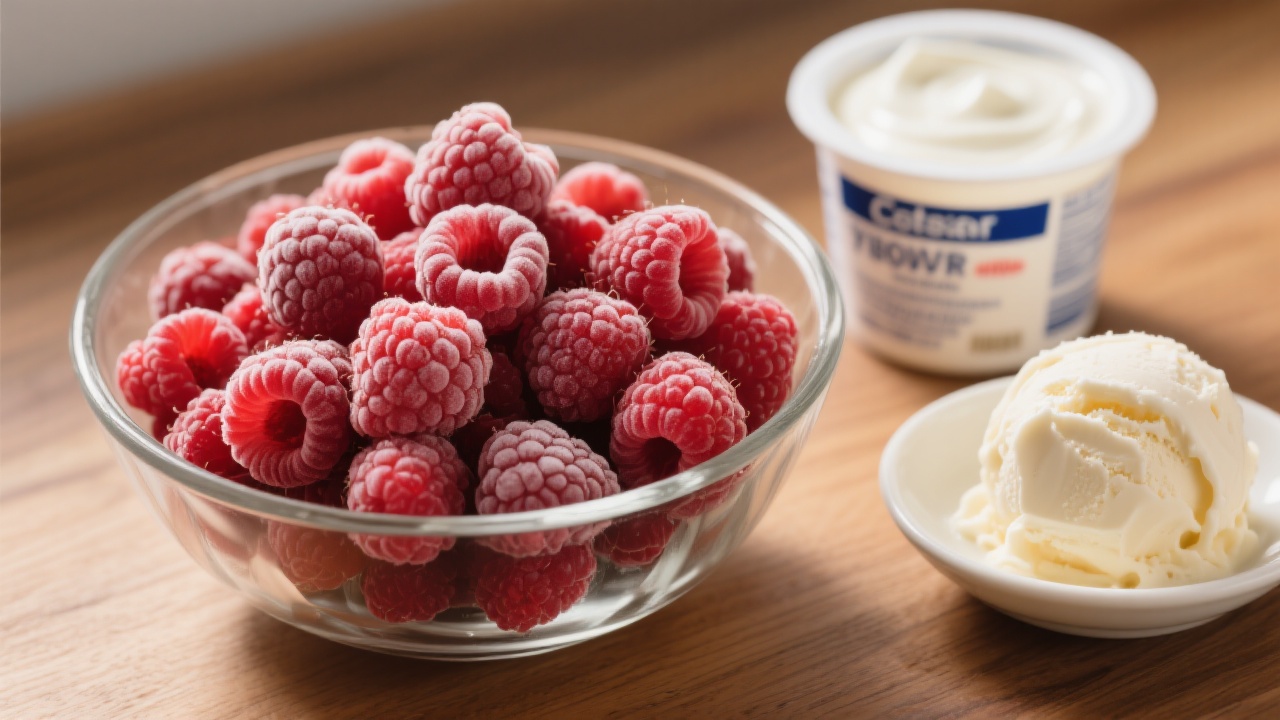
When evaluating bulk frozen red raspberry shipments, visual inspection serves as the first line of defense against substandard products. Industry standards recommend examining a minimum of three random samples per 1000kg batch to ensure representative quality assessment. Professional buyers should look for vibrant red coloration with minimal discoloration—indicators of proper harvesting and rapid freezing protocols.
Expert Insight:
A study by the International Frozen Food Association found that visual quality indicators correlate with nutritional content in frozen berries, with color intensity directly linked to anthocyanin retention levels.
The industry standard of 95% whole fruit content represents more than just an aesthetic requirement—it directly impacts end-product consistency and customer satisfaction. Whole berries maintain better texture after thawing and distribute more evenly in finished products compared to fragmented berries. When assessing whole fruit percentage, procurement teams should account for naturally occurring splits (acceptable up to 3%) versus mechanical damage (unacceptable above 2%), which often indicates improper handling during processing.
While automated sorting technology has advanced significantly, the most reputable frozen berry suppliers continue to employ three-stage manual sorting protocols to ensure optimal quality. This labor-intensive process addresses specific quality concerns at each stage:
Removes large foreign materials, underdeveloped berries, and severely damaged fruits immediately after harvest
Focuses on color uniformity and size consistency, ensuring only premium berries proceed to freezing
Quality control specialists examine berries post-freezing to identify any remaining defects before packaging
According to industry data, suppliers implementing this three-stage process reduce customer complaints by an average of 42% compared to those using single-stage sorting methods. This quality control measure represents a critical differentiator in the frozen berry market, directly impacting end-product quality and brand reputation.
The journey from harvest to freezer represents a critical window for preserving the nutritional value of red raspberries. Rapid freezing within 2 hours of harvest has been shown to retain up to 92% of the fruit's original vitamin C content, compared to 68% retention when freezing is delayed by 6 hours or more. Maintaining a consistent -18°C storage temperature is equally important, as temperature fluctuations as small as 3°C can cause ice crystal formation that damages cellular structure, leading to texture degradation upon thawing.
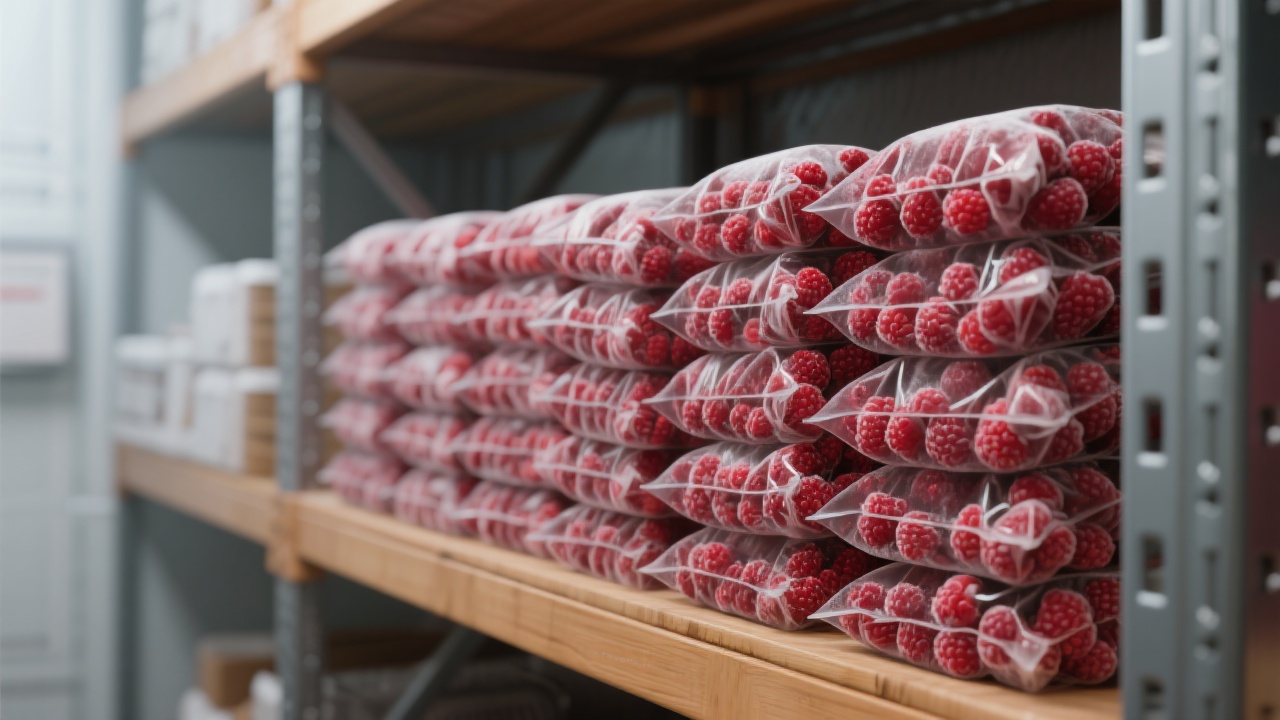
Proper thawing technique significantly impacts the final quality of frozen red raspberries. The recommended method involves slow thawing at 4°C (39°F) for 8-12 hours, which minimizes cellular damage and nutrient loss. For operational efficiency, a controlled water bath thaw at 10-15°C can reduce thawing time to 2-3 hours while maintaining acceptable quality levels.
Effective inventory management of bulk frozen red raspberries requires balancing seasonal price fluctuations with production demands. Historical data shows that prices typically increase by 15-20% during off-season months (January-April), making strategic pre-season purchasing a valuable cost-saving measure. By analyzing 3-5 years of consumption patterns, procurement teams can establish optimal stock levels that minimize carrying costs while preventing production disruptions.
One leading European bakery chain implemented a demand forecasting system that reduced inventory holding costs by 28% while improving order fulfillment rates to 99.4%. Their approach combined historical sales data with seasonal adjustment factors and market trend analysis to create a dynamic procurement schedule that aligned with both cost savings and supply reliability objectives.

In an industry where quality consistency and supply reliability directly impact product reputation and profitability, partnering with a trusted supplier becomes a strategic advantage. 亿商桥 has established itself as a leader in the frozen berry supply chain by implementing rigorous quality control measures, maintaining temperature-controlled logistics networks, and developing transparent sourcing practices that ensure product traceability from farm to facility.
Food manufacturers and foodservice providers face increasing pressure to deliver consistent quality while managing cost fluctuations and supply chain disruptions. A strategic approach to bulk frozen red raspberry procurement—encompassing rigorous quality assessment, proper cold chain management, and data-driven inventory planning—can transform procurement from a transactional function into a source of competitive advantage.
Discover how 亿商桥's integrated procurement solutions can help your business achieve consistent quality, reduce supply chain risks, and optimize costs for bulk frozen red raspberry sourcing.
Request Your Custom Supply Chain AnalysisThe information provided in this guide is based on industry best practices and data analysis from leading frozen fruit suppliers and food industry research institutions. Individual results may vary based on specific operational conditions and supplier capabilities.


_(2).jpg?x-oss-process=image/resize,m_fill,h_600,w_600/format,webp)