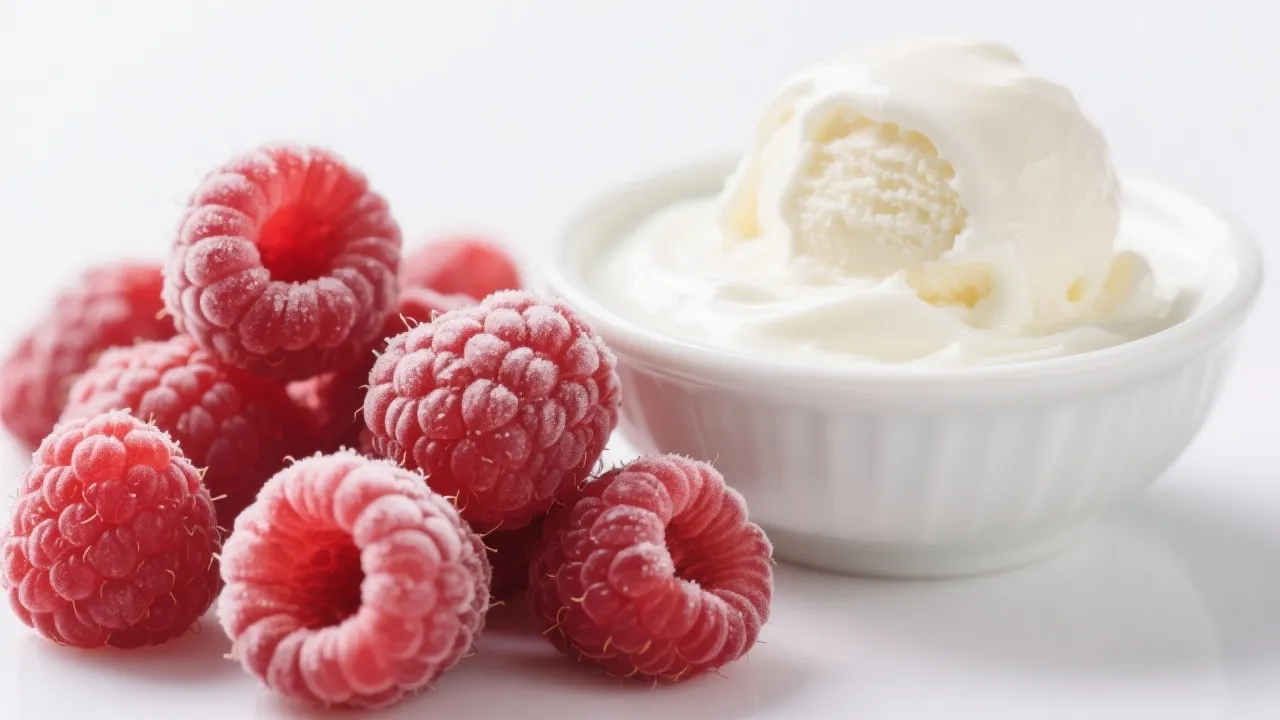
As a procurement manager, you understand that frozen raspberries are more than just ingredients—they're critical components that directly impact your end product quality, customer satisfaction, and bottom line. The challenge? Balancing cost efficiency with consistent quality, especially when dealing with bulk quantities. Let's explore the four pillars of successful frozen raspberry procurement that industry leaders use to maintain product integrity from farm to factory.
The first mistake many procurement teams make is focusing solely on price per kilogram without verifying quality metrics. When evaluating potential suppliers, three key indicators separate premium suppliers from the rest:
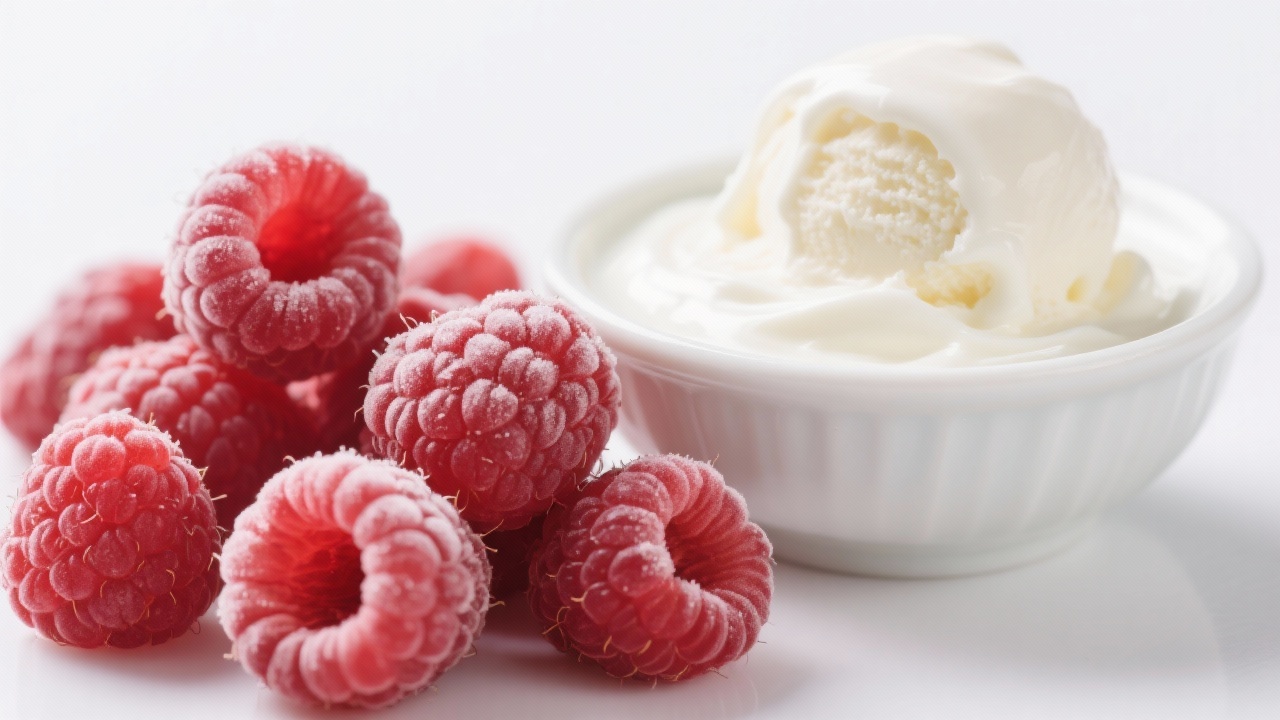
The difference between vibrant, nutrient-rich raspberries and lackluster product often lies in freezing technology. Slow freezing (conventional methods) forms large ice crystals that rupture cell walls, leading to juice loss and texture degradation upon thawing. In contrast, rapid freezing at -35°C within 30 minutes of harvest preserves cell structure, retaining up to 92% of the original anthocyanin content—critical for both color and antioxidant properties.
Industry Standard Alert: FDA regulations (21 CFR 110.80) require frozen fruits to be maintained at -18°C or below during storage and transportation. Temperature fluctuations exceeding 3°C can significantly impact product quality, with studies showing a 23% increase in oxidative damage after just two temperature cycles.

Improper thawing is responsible for up to 15% of product loss in food processing operations. The optimal method depends on your production schedule and product application:
| Thawing Method | Time Required | Best For | Quality Retention |
|---|---|---|---|
| Refrigerated (4°C) | 8-12 hours | Whole fruit applications | Excellent (95%) |
| Cold Water Bath | 1-2 hours | Smoothies, purees | Good (88%) |
| Microwave | 5-10 minutes | Emergency use only | Poor (65%) |
Effective stock rotation directly impacts product freshness and reduces waste. Implementing a strict First-In-First-Out (FIFO) system with color-coded labeling can reduce inventory losses by up to 30%. Additionally, segregating inventory by harvest season allows for better batch control and consistency in finished products.
Consider implementing a digital inventory management system that tracks not just quantities but also temperature history. This becomes invaluable during quality audits and traceability exercises, which are increasingly important for both regulatory compliance and customer confidence.
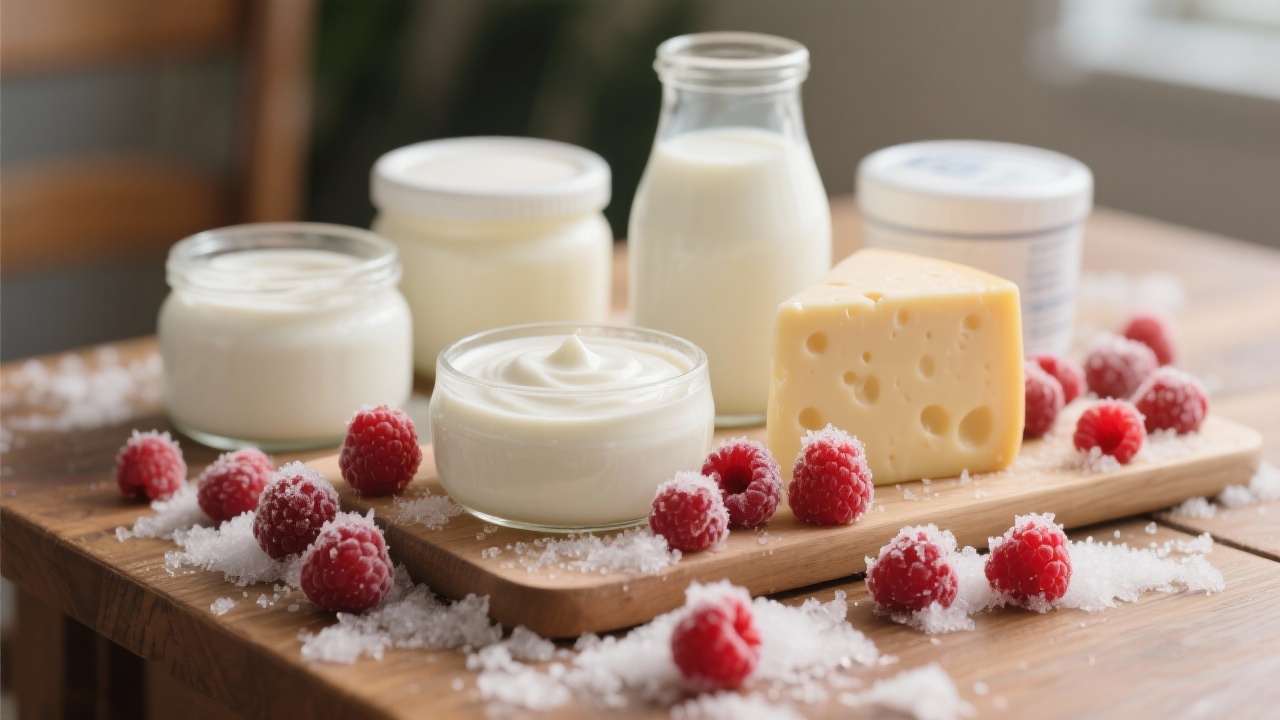
If you've experienced issues with clumping, flavor degradation, or inconsistent color in your frozen raspberries, the root cause is likely in one of these areas. Many food processors accept these issues as inevitable, but industry leaders know they're preventable with the right supplier partnerships and processes.
At 亿商桥, we specialize in connecting food manufacturers with premium frozen berry suppliers who adhere to the strictest quality standards. Our global network ensures not just consistent supply but also access to seasonal varieties that can differentiate your products in competitive markets.
Discover how optimized sourcing can reduce waste by 18-25% while improving product consistency.
Access Our Technical Whitepaper: "High-Stability Frozen Berry Supply Chains"Remember, your frozen raspberry supplier shouldn't just be a vendor—they should be an extension of your quality control team. By prioritizing whole fruit ratio, freezing technology, proper thawing protocols, and inventory management, you'll not only improve your end products but also gain a competitive advantage in the marketplace.


_(2).jpg?x-oss-process=image/resize,m_fill,h_600,w_600/format,webp)
_(4).jpg?x-oss-process=image/resize,m_fill,h_600,w_600/format,webp)



.jpg?x-oss-process=image/resize,m_fill,h_600,w_600/format,webp)