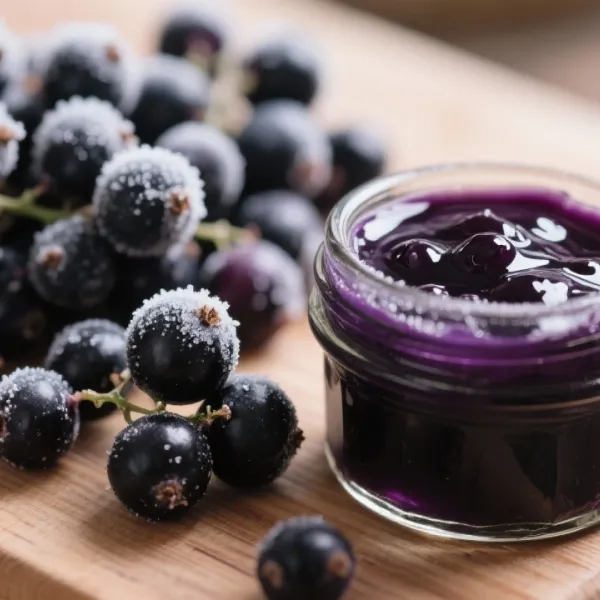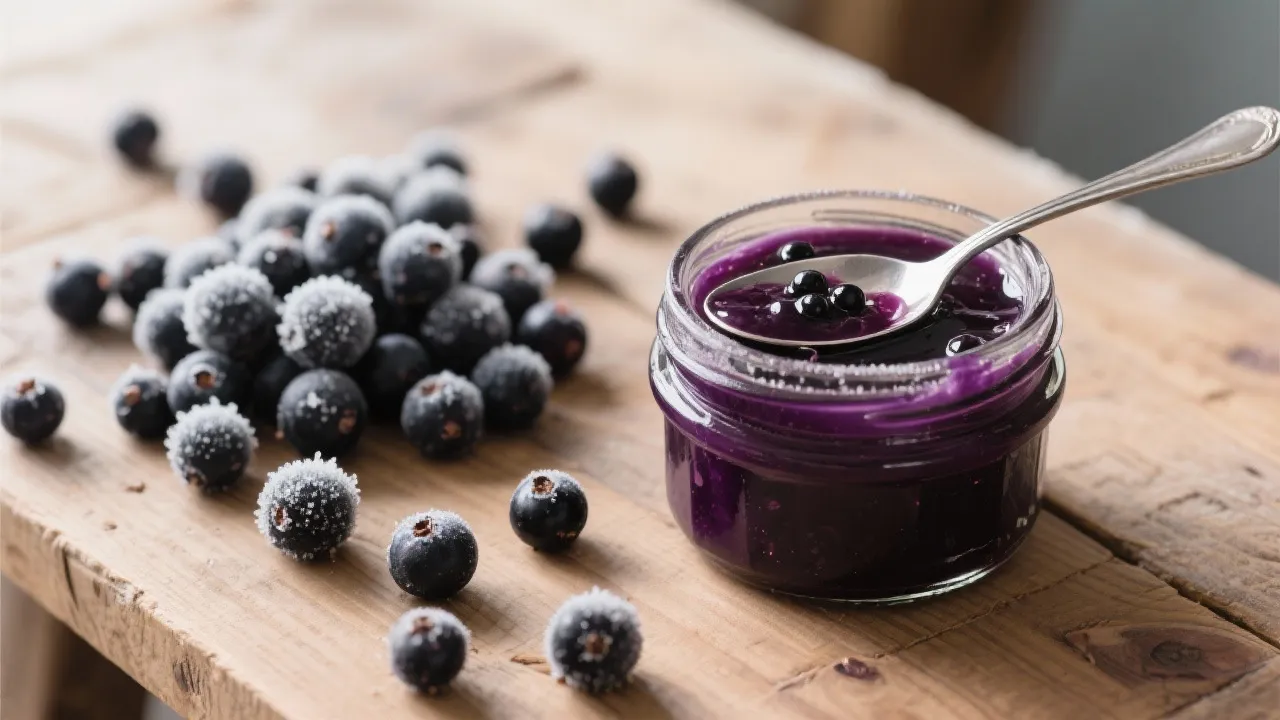
Blackcurrants, particularly in their frozen form, are a powerhouse of vital nutrients that have attracted significant attention in nutritional science for their immune-enhancing and antioxidant effects. Packed with vitamin C and anthocyanins, these berries offer tangible benefits for health-conscious consumers seeking natural ways to support their wellness. This article unpacks the key nutritional compounds in blackcurrants, their scientifically proven health roles, and practical guidance on incorporating frozen blackcurrants into diverse diets.
Among the prominent nutrients in blackcurrants, vitamin C stands out, offering approximately 181 mg per 100 grams—about three times the vitamin C content of oranges. This potent antioxidant supports the immune system by stimulating white blood cell function and enhancing antiviral response. Alongside vitamin C, blackcurrants are rich in anthocyanins, a class of flavonoids responsible for the deep purple color. Research indicates these compounds can neutralize free radicals, reduce inflammation, and promote vascular health by improving blood circulation.
Extensive clinical studies demonstrate that regular consumption of anthocyanin-rich foods like blackcurrants can modulate immune response and protect cellular structures from oxidative damage. For instance, a 12-week randomized controlled trial showed a 15% increase in natural killer cell activity among participants consuming blackcurrant extract daily. Furthermore, anthocyanins assist in endothelial function improvement, which in turn supports efficient blood flow and reduces cardiovascular risk factors.
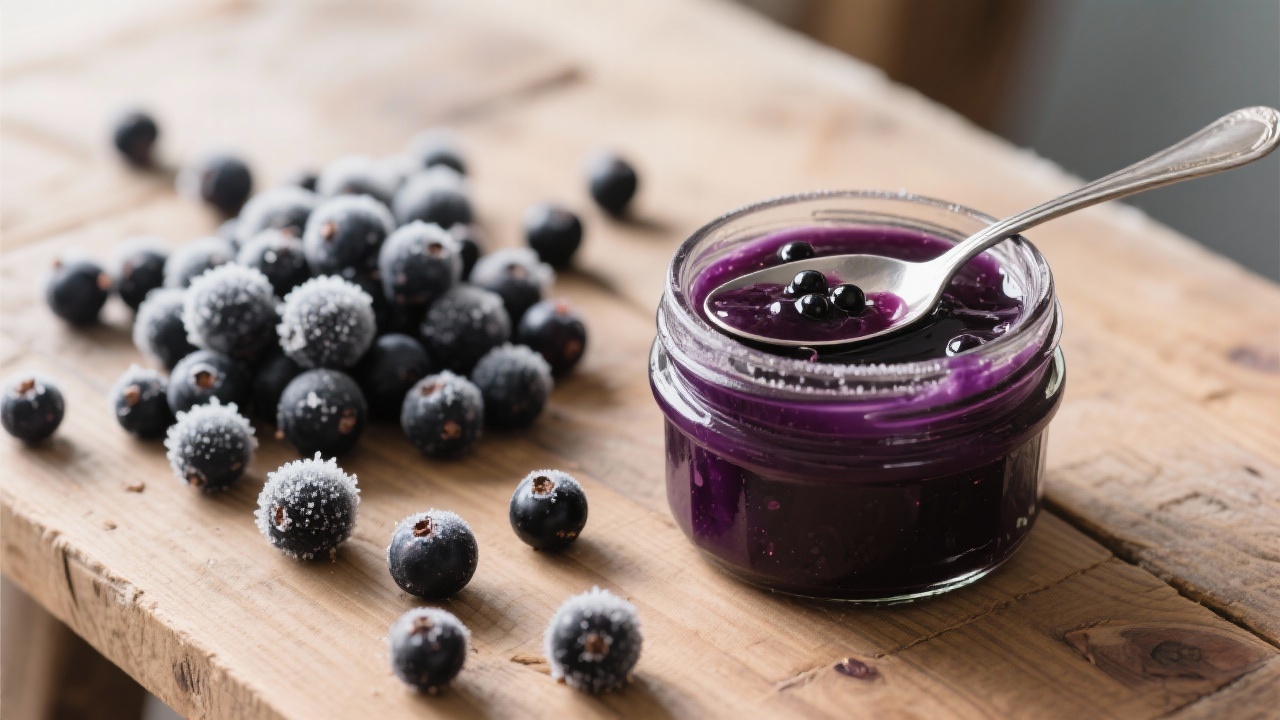
Tailoring blackcurrant intake to specific population groups maximizes their health benefits:
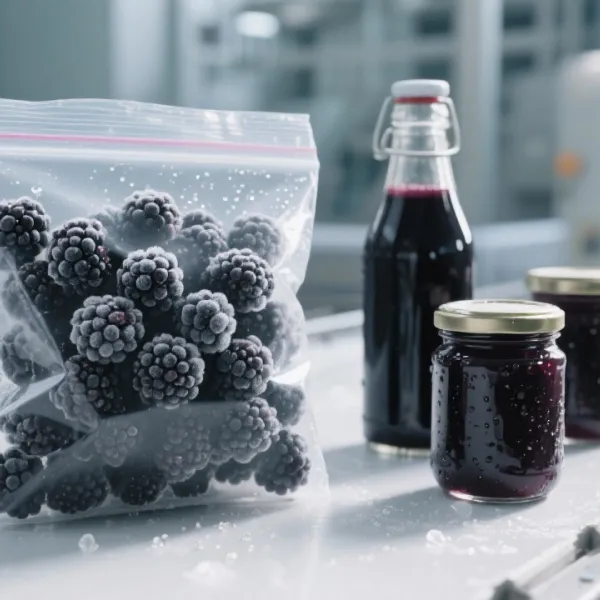
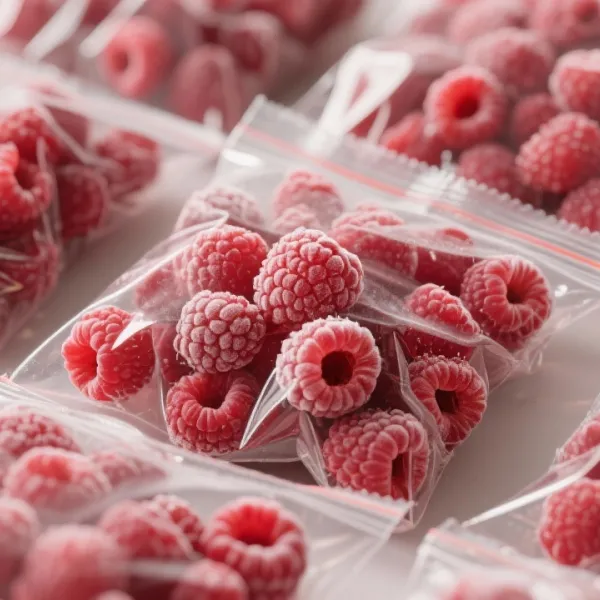
Freezing blackcurrants preserves most of their vitamins and antioxidants, but improper handling can cause nutrient degradation. The optimal defrosting method is slow thawing in the refrigerator over 6 to 8 hours, minimizing vitamin C loss. For storage, maintaining frozen temperatures below -18°C and avoiding repeated freeze-thaw cycles extend shelf life and retain flavor and nutrient potency.
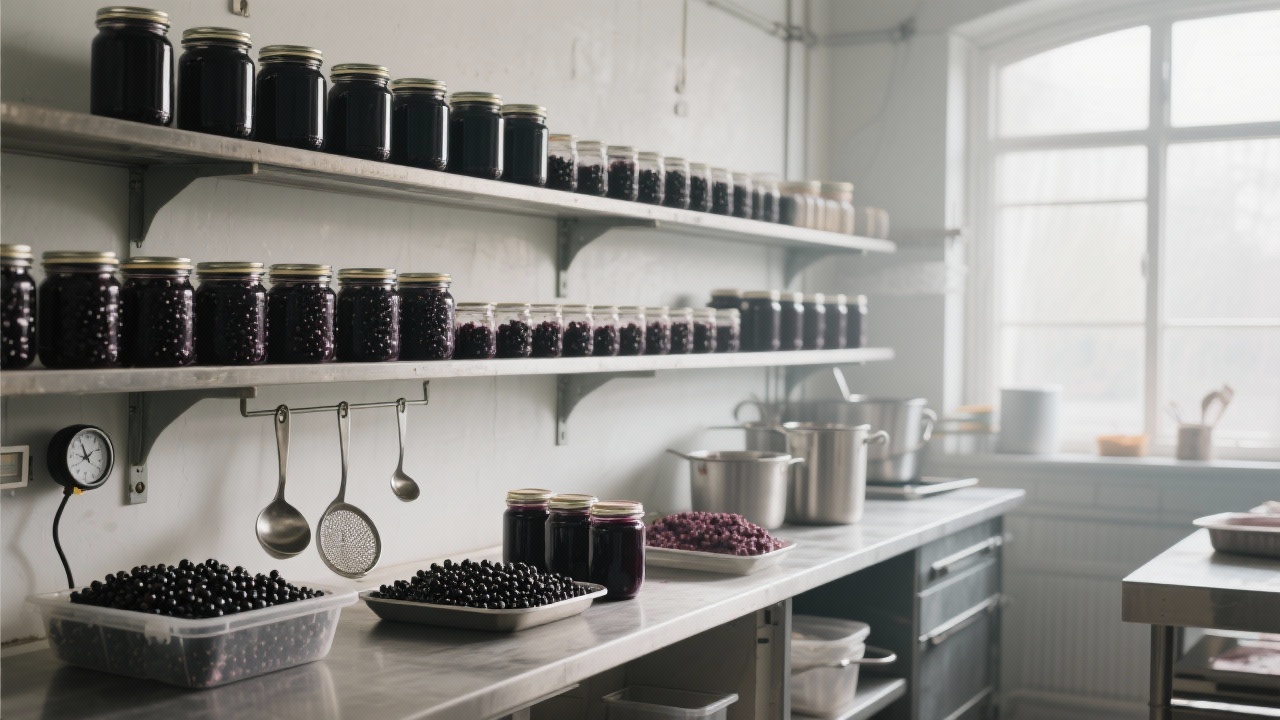
Incorporating blackcurrants into regular meals is effortless with versatile options:
These simple recipes not only enhance palatability but also promote better nutrient absorption by combining blackcurrants with complementary ingredients.
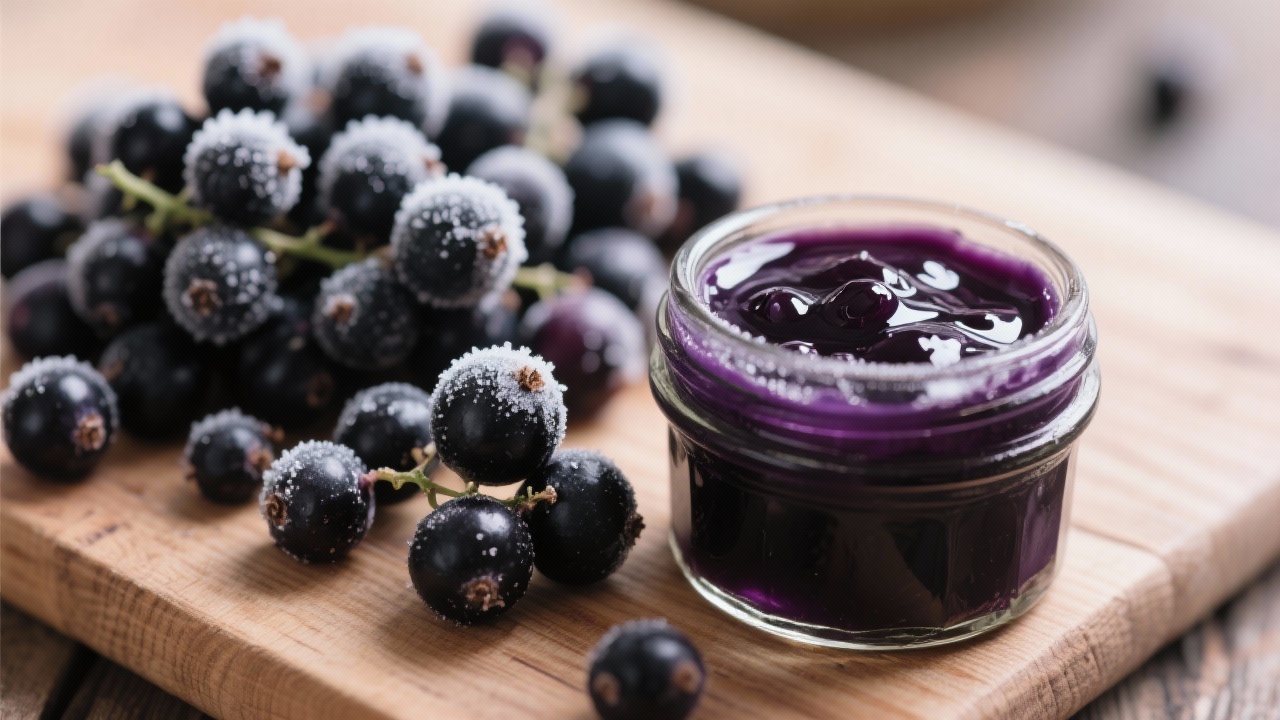
Regular inclusion of blackcurrants in the diet supports a long-term health strategy emphasizing natural antioxidants and immune resilience. Their scientifically validated effects on immune function and circulation make them an excellent adjunct to a balanced diet rich in fruits and vegetables.
_(2).jpg?x-oss-process=image/resize,m_fill,h_600,w_600/format,webp)


.jpg?x-oss-process=image/resize,m_fill,h_600,w_600/format,webp)


_(4).jpg?x-oss-process=image/resize,m_fill,h_600,w_600/format,webp)