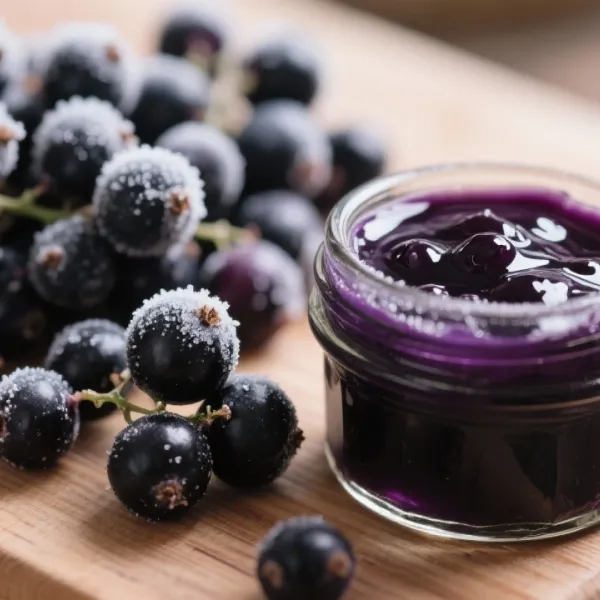


Children (taste + routine first)
Start small: 20–50 g mixed into yogurt, oatmeal, or a mild smoothie. If sourness is an issue, pair with banana or vanilla yogurt rather than adding lots of sugar.
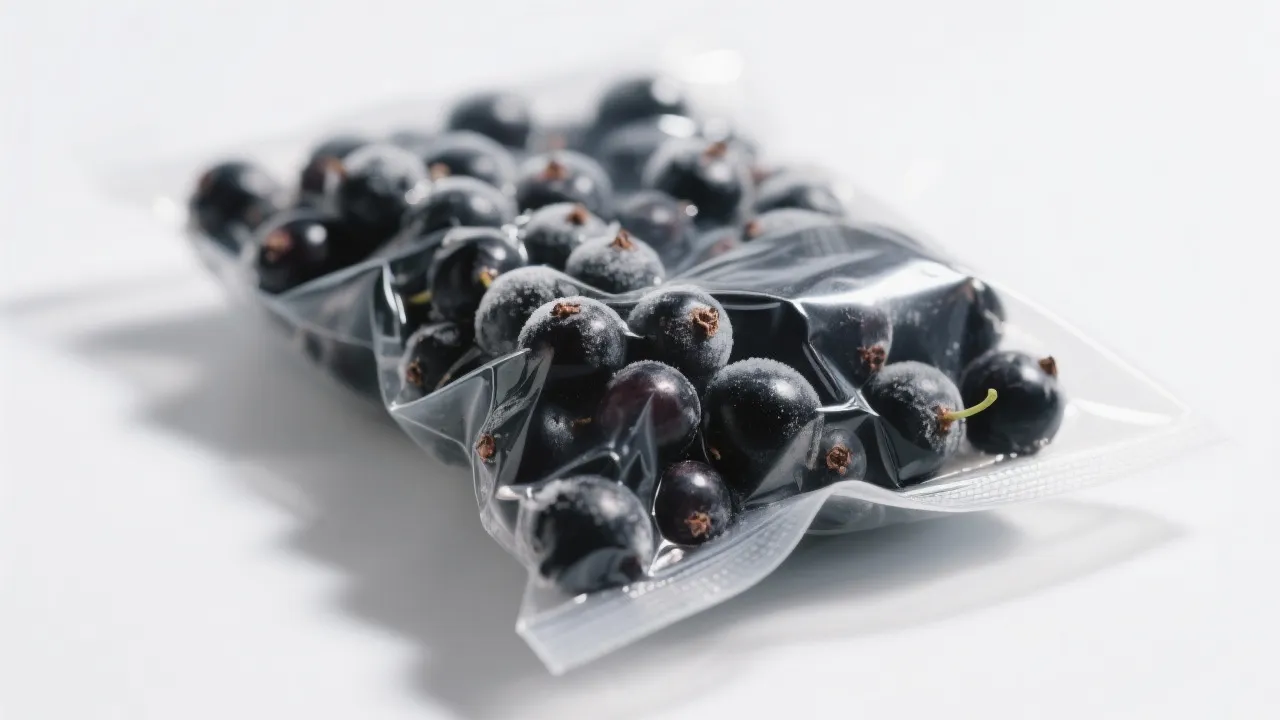
Blackcurrant (Ribes nigrum) is widely recognized as a “super berry” for one simple reason: it concentrates immune-relevant nutrients—especially vitamin C and anthocyanins—into a small, everyday-friendly serving. If you want a practical, food-first way to support immune resilience, antioxidant defense, and healthy circulation, blackcurrant is one of the most efficient options to keep in your routine.
And if you mainly buy it frozen (which many households do), there are a few smart thawing and storage details that help preserve both taste and nutrients—small habits that add up over time.
Blackcurrants are nutrient-dense relative to their calories. Values vary by cultivar and processing, but the numbers below are realistic reference ranges for raw/frozen berries per 100 g.
| Nutrient (per 100 g) | Typical Range | Why It Helps |
|---|---|---|
| Vitamin C | 120–180 mg | Supports immune cell function, collagen formation, and antioxidant recycling |
| Anthocyanins (polyphenols) | 150–400 mg | Help neutralize oxidative stress and support microcirculation |
| Dietary fiber | 4–8 g | Gut barrier support; gut-immune axis modulation |
| Potassium | 300–370 mg | Fluid balance and cardiovascular support |
| Manganese + Iron (small but relevant) | 0.2–0.4 mg Mn; 0.8–1.5 mg Fe | Enzyme co-factors; oxygen transport support (iron context-dependent) |
Vitamin C is involved in multiple immune processes: it supports neutrophil function (a key “first responder” cell type), helps protect tissues from oxidative damage generated during immune activity, and supports collagen formation—important for skin and mucosal barriers. In everyday terms: vitamin C contributes to both defense and recovery.
Anthocyanins are the pigments behind blackcurrant’s deep purple-black color. They help neutralize free radicals and may support endothelial function (how well blood vessels respond and relax). When circulation and microcirculation work smoothly, tissues—including those involved in immune responses—can be better supplied with oxygen and nutrients.
A significant portion of immune activity is associated with the gut. Dietary fiber and polyphenols interact with gut microbiota, which can influence inflammation balance and barrier integrity. You won’t “feel” this like a quick boost, but it’s a steady, foundational benefit when eaten consistently.
Human studies on berry polyphenols often report improvements in antioxidant markers and aspects of vascular function (such as blood vessel responsiveness). Blackcurrant extracts and concentrates are frequently studied because their anthocyanin profile is notably rich.
Research snapshot (summary): Trials involving blackcurrant anthocyanins have reported support for vascular function and reduced oxidative stress indicators, especially when consumed consistently over days to weeks rather than as a single serving.
Note: outcomes vary by dose, baseline health, and product format (whole berries vs. extract).
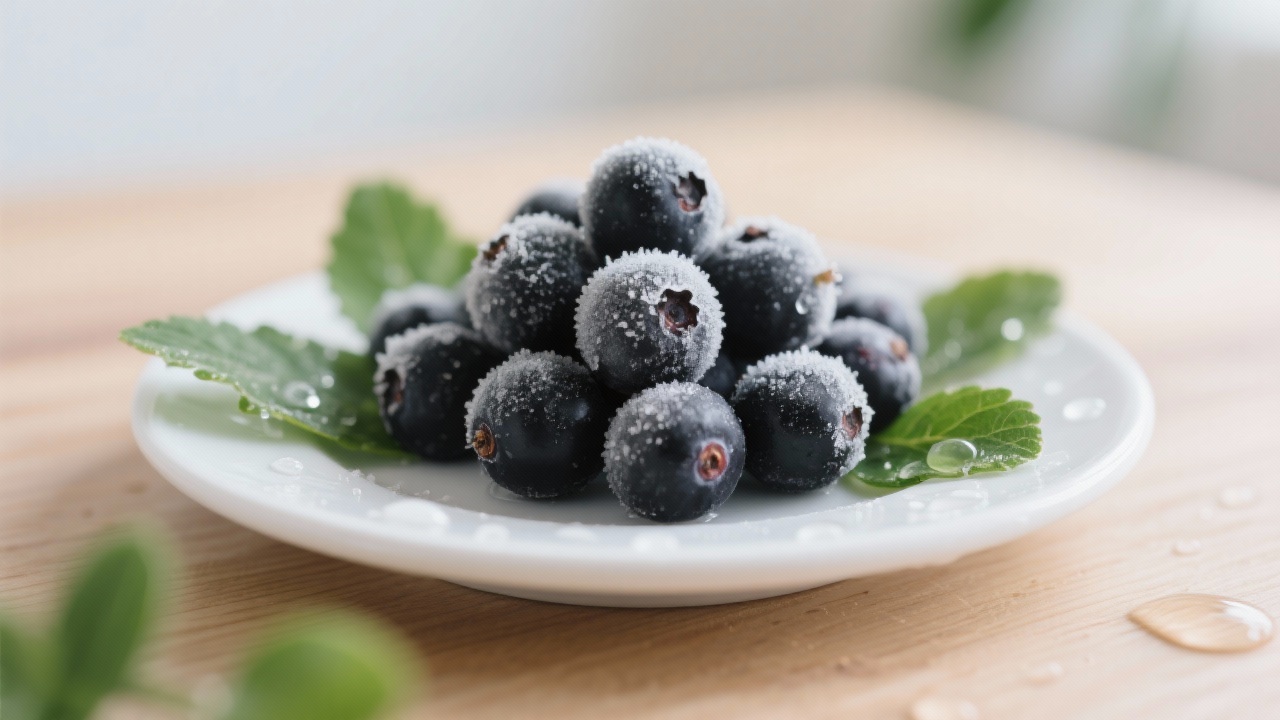
For most people, a realistic “food-level” serving of blackcurrants is 50–100 g per day (fresh or frozen). That range is large enough to contribute meaningful vitamin C and polyphenols without forcing major diet changes.
Start small: 20–50 g mixed into yogurt, oatmeal, or a mild smoothie. If sourness is an issue, pair with banana or vanilla yogurt rather than adding lots of sugar.
Aim for 50–80 g, 4–6 days/week. Soft formats help: gently thawed berries, yogurt bowls, or blended drinks. Keep hydration consistent, especially if increasing fiber intake.
Consider 80–120 g on training days, ideally in a post-workout smoothie with protein. The goal is not “instant immunity,” but support for recovery and day-to-day resilience.
Keep frozen blackcurrants at -18°C / 0°F or below and minimize temperature swings.
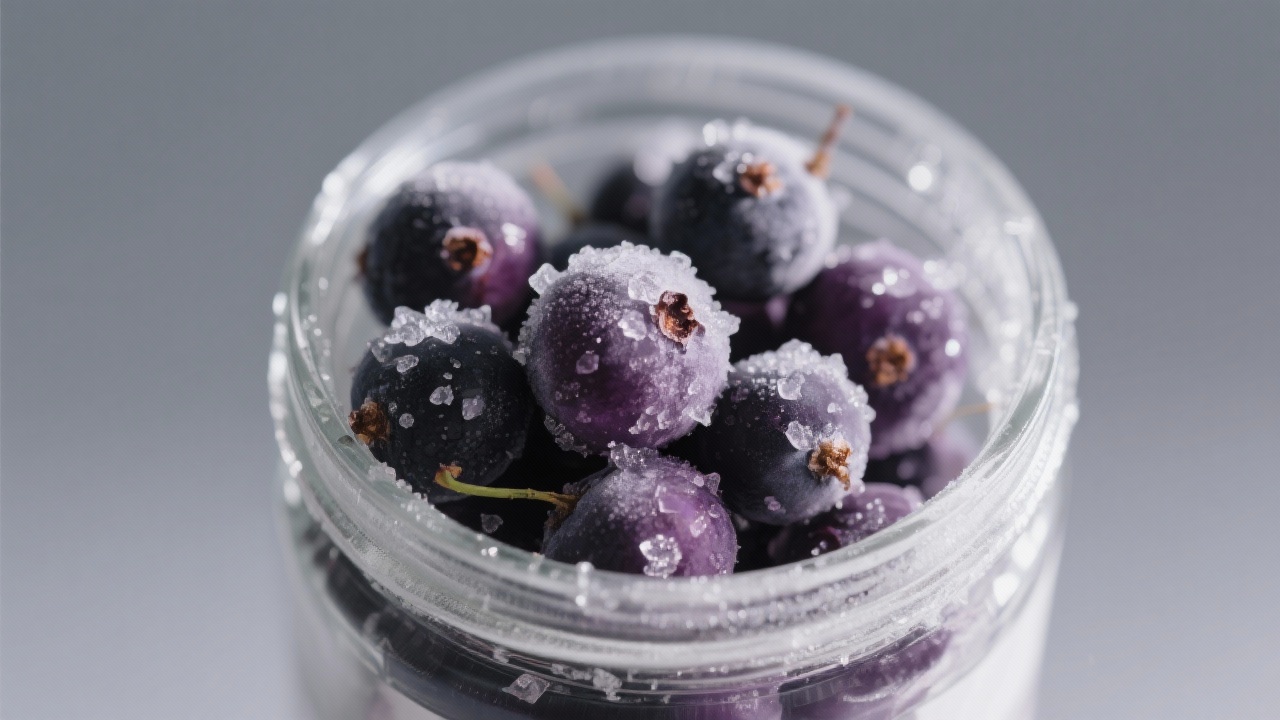
The “best” way to eat blackcurrants is the one you’ll repeat. Below are simple, high-success combinations that fit real schedules and real taste preferences.
Add 50–80 g frozen berries + Greek yogurt + oats or granola. Optional: a spoon of honey if you prefer less tartness.
Blend blackcurrant + banana + milk/plant milk + protein or yogurt. Add spinach if you like—blackcurrant flavor is strong enough to carry greens.
Fold into muffins, pancakes, or oatmeal. Use directly from frozen to reduce bleeding and maintain berry pieces.
Lightly thaw berries, mash with a fork, add cold water or sparkling water, and finish with lemon. A simple way to increase intake on busy days.
If you’re aiming for reliable flavor, consistent berry size, and clean handling for smoothies, yogurt bowls, and baking, choosing a high-quality frozen blackcurrant matters more than most people think—especially when it becomes a daily habit.
Click to view product details, specifications, and sourcing options.

_(2).jpg?x-oss-process=image/resize,m_fill,h_600,w_600/format,webp)


_(4).jpg?x-oss-process=image/resize,m_fill,h_600,w_600/format,webp)

.jpg?x-oss-process=image/resize,m_fill,h_600,w_600/format,webp)