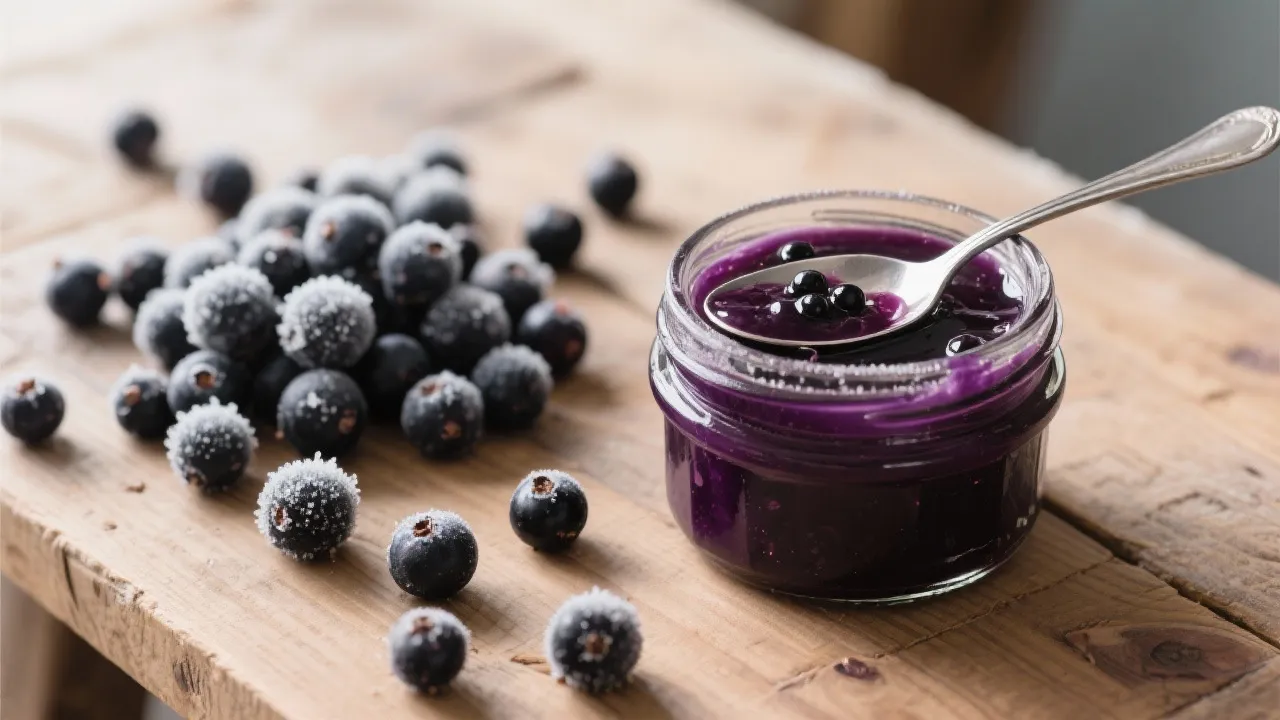
You might be surprised to learn that a single cup of blackcurrant juice contains approximately 200mg of vitamin C—more than three times the amount found in an orange (about 60mg per medium fruit). But what truly makes these deep purple berries exceptional is their unique combination of vitamin C and anthocyanins, powerful antioxidants that work synergistically to support human health.
Blackcurrants (Ribes nigrum) are nature's nutritional treasure trove, boasting an impressive array of bioactive compounds. Research published in Food Chemistry (2018) identified that blackcurrants contain among the highest concentrations of anthocyanins among common fruits—up to 1,500mg per 100g of fresh fruit. These compounds are responsible for the berry's deep purple color and have been extensively studied for their health-promoting properties.
Studies suggest that regular consumption of blackcurrants may support:
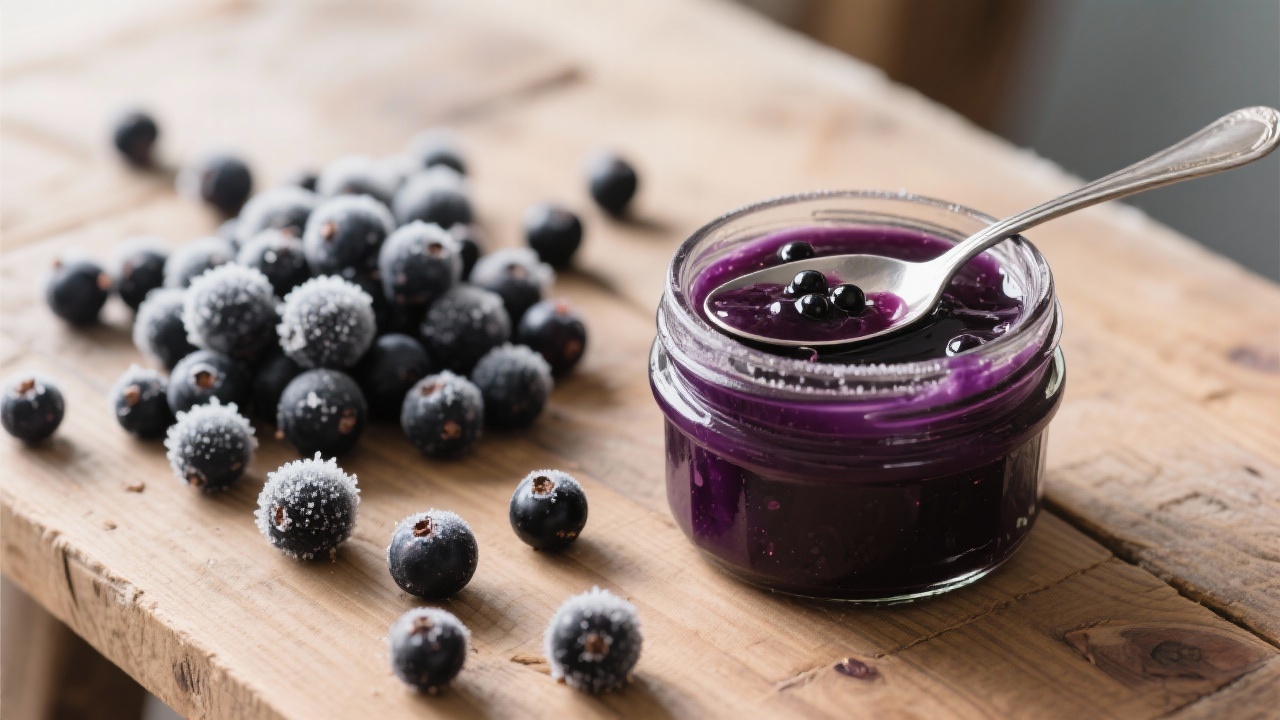
When it comes to preserving blackcurrants' nutritional value, not all freezing methods are created equal. Traditional freezing techniques typically involve slower freezing rates, which form larger ice crystals that rupture the fruit's cell walls. This process leads to significant nutrient loss—studies show that conventional freezing can reduce vitamin C content by up to 35% and anthocyanin levels by 25%.
The breakthrough came with Individually Quick Frozen (IQF) technology, which freezes each berry separately at temperatures as low as -30°C within minutes. This rapid freezing process forms tiny ice crystals that preserve cellular structure, minimizing nutrient leakage and oxidation.
Research comparing different freezing methods, published in the Journal of Food Science and Technology, demonstrated that IQF technology preserves vitamin C content at an impressive 92-95% compared to fresh fruit, while traditional freezing methods retained only 65-70%. Similarly, anthocyanin retention was 88-91% with IQF versus 70-75% with conventional freezing.
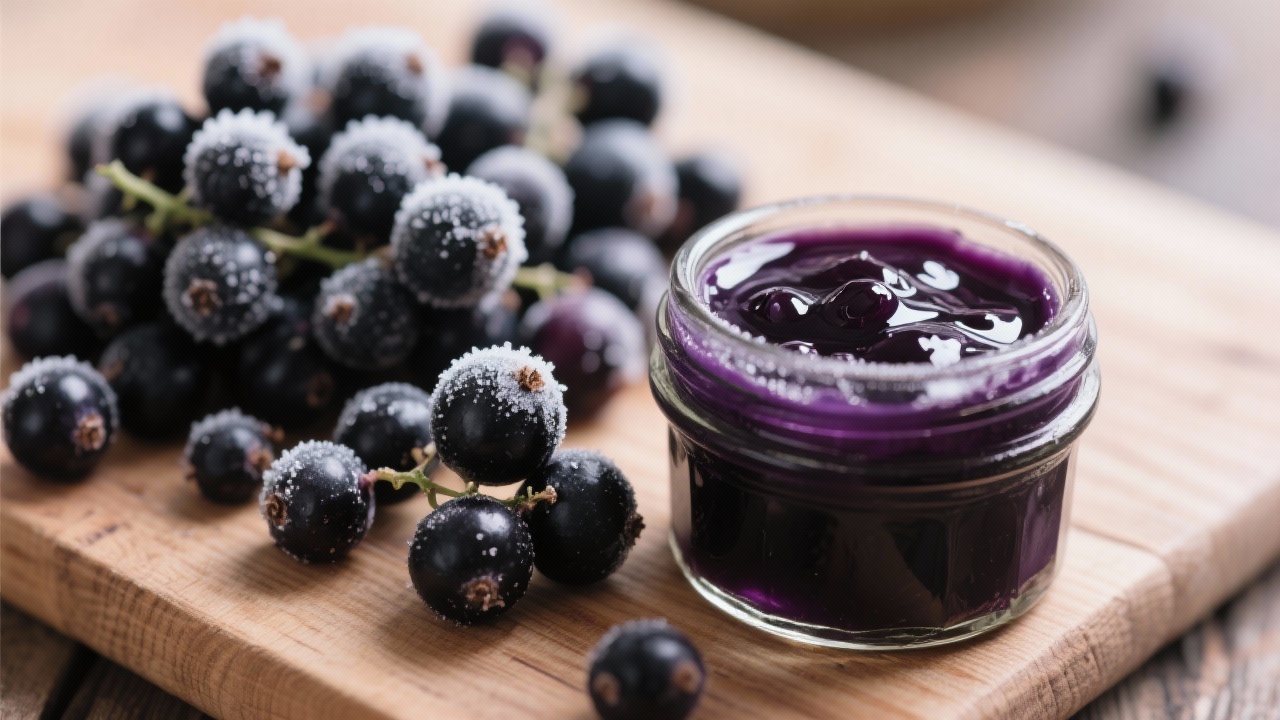
But the benefits of IQF extend beyond nutrient preservation. The technology also maintains the fruit's natural texture, flavor, and appearance, allowing frozen blackcurrants to be used in a variety of applications just like fresh berries. This is particularly important for food manufacturers and home cooks alike who demand consistent quality.
The journey from farm to freezer is critical in determining the final quality of IQF blackcurrants. The most reputable producers implement a rigorous two-step quality control process:
Only fully ripened berries are harvested at peak nutritional content, typically when soluble solids reach 14-16° Brix. This ensures maximum vitamin and antioxidant levels.
Harvested berries are transported to processing facilities within 2-4 hours and subjected to IQF freezing within 6 hours of picking, minimizing post-harvest nutrient degradation.
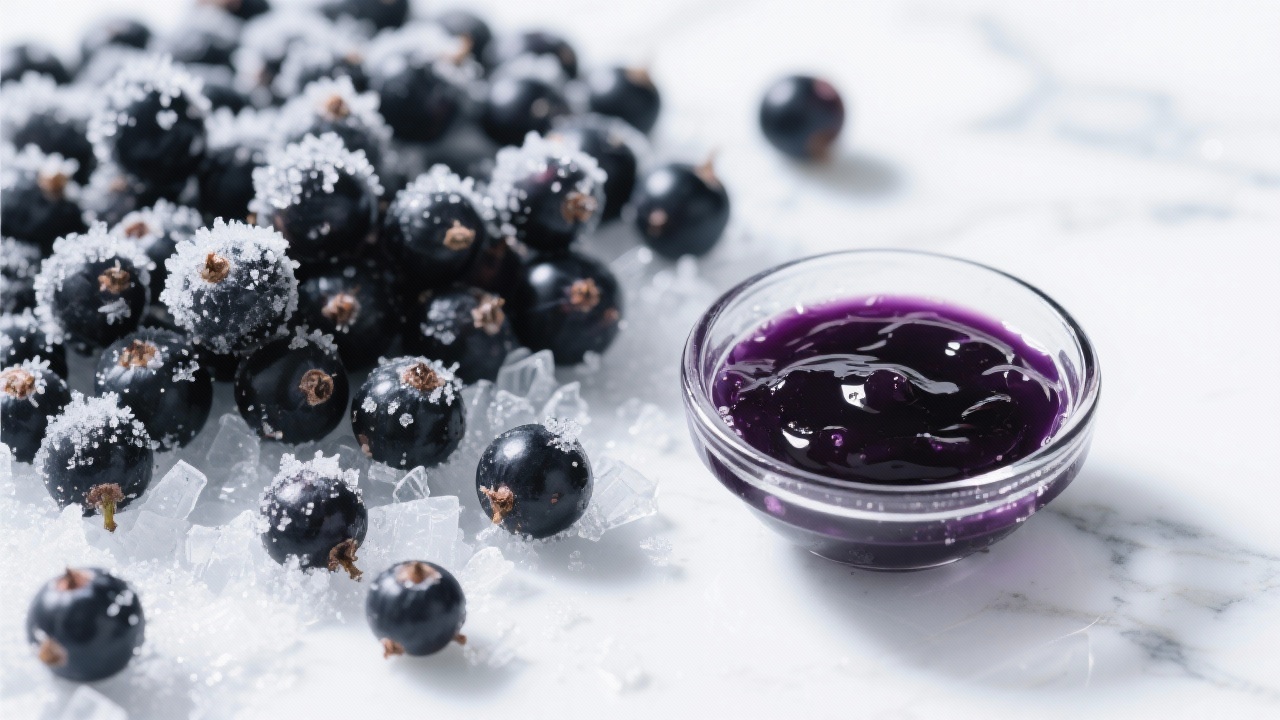
Integrating IQF blackcurrants into your diet is simple and versatile. Their long shelf life—up to 24 months when properly stored—means you can enjoy their nutritional benefits year-round, regardless of seasonal availability.
Consider these practical ideas:
When you choose IQF blackcurrants with 95% whole fruit率, you're not just selecting a frozen ingredient—you're investing in a nutrient-dense solution that delivers consistent quality, exceptional flavor, and maximum health benefits to your customers.
Discover Our Premium IQF Blackcurrant SolutionsAs consumer demand for functional foods continues to rise, IQF blackcurrants represent a valuable ingredient for food and beverage manufacturers, supplement producers, and foodservice operators. Their versatility, nutritional profile, and year-round availability make them an excellent choice for product innovation and development.
Remember, not all frozen blackcurrants are created equal. The difference lies in the harvesting practices, processing technology, and quality control measures implemented by the producer. By choosing a supplier committed to excellence in every step of the process, you ensure that you're getting the full nutritional benefits these remarkable berries have to offer.

_(2).jpg?x-oss-process=image/resize,m_fill,h_600,w_600/format,webp)


.jpg?x-oss-process=image/resize,m_fill,h_600,w_600/format,webp)


_(4).jpg?x-oss-process=image/resize,m_fill,h_600,w_600/format,webp)

.jpg?x-oss-process=image/resize,m_fill,h_600,w_600/format,webp)