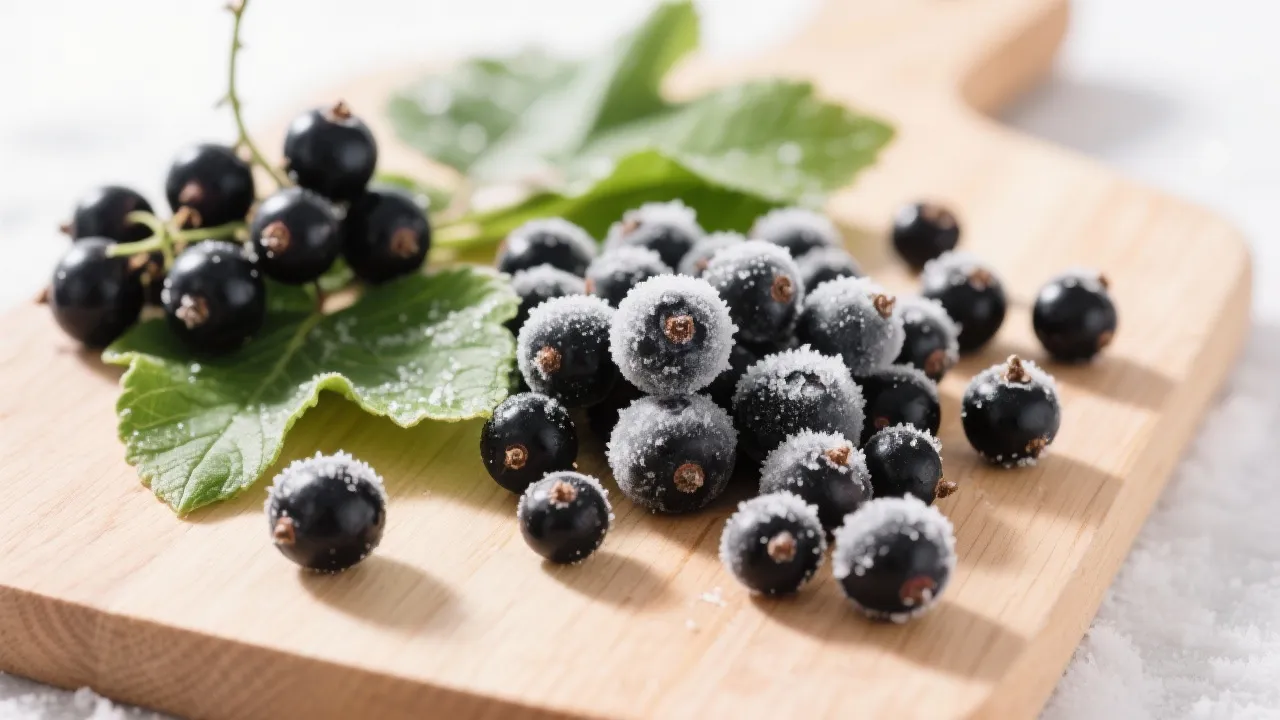
Modern food manufacturers across Europe and the Middle East increasingly demand superior raw materials to maintain product excellence while optimizing production costs. Blackcurrants, valued for their vibrant color, rich antioxidant content, and flavor, are at the heart of this industry’s innovation—particularly with advances in freezing technology. This article explores how the application of -35°C quick freezing technology can dramatically enhance the quality and cost-effectiveness of blackcurrant raw materials used in jams, juices, and bakery fillings, providing food businesses with a competitive edge.
Conventional freezing methods often involve slow temperature drops leading to large ice crystal formation, which damages cell walls, causing nutrient loss, color fading, and flavor degradation. In contrast, quick freezing at -35°C rapidly solidifies water content inside the berries, preserving cellular integrity. Independent laboratory studies reported by EuroFood Insight confirm that quick freezing maintains a 95% whole fruit integrity rate, significantly higher than the 70-75% typical in traditional freezing. This preservation results in raw materials that retain an almost fresh-like mouthfeel and natural vivid coloration, critical for visual appeal in consumer products.
Moreover, the rapid temperature drop safeguards heat-sensitive bioactive compounds, notably polyphenols and vitamin C, responsible for blackcurrant’s natural antioxidant properties. Analytical comparisons show that quick frozen berries retain up to 85% of their original vitamin C content post-thaw, versus just 50-60% under conventional freezing. This aspect not only boosts the nutritional profile but also prolongs shelf life in downstream applications.

The quality assurance journey starts at source. Selected blackcurrant farms located in regions with ideal climatic and soil conditions provide naturally rich pigmentation and high antioxidant levels. Integration of a stringent HACCP quality control system throughout harvesting, sorting, and freezing stages guarantees batch-to-batch uniformity—critical for large scale food producers who depend on predictable raw materials to maintain product standards.
This comprehensive control ensures that each shipment entering the cold chain system preserves the initial raw material excellence, fostering trust with brand owners and co-packers. The result is a supply of blackcurrants primed for enhanced processing outcomes.
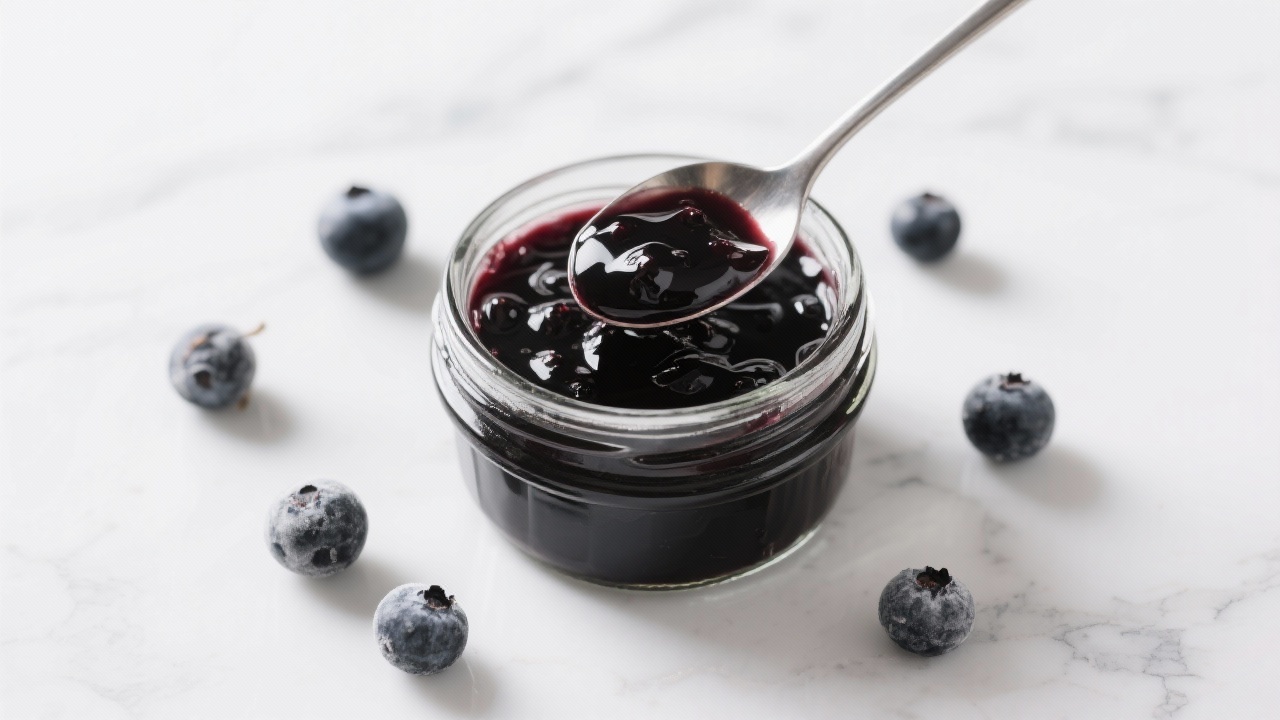
In jams and spreads, the near-fresh texture of -35°C quick-frozen blackcurrants translates into reduced pectin and color stabilizer requirements, directly lowering formulation costs by up to 15% as per industry feedback.
Juice producers benefit from enhanced color retention and intensified natural aroma, reducing dependence on artificial additives for sensory enhancement. This appeals to clean label trends highly prized in European markets.
Bakery and confectionery manufacturers also report improved consistency and flavor impact when using these berries as fillings or toppings, resulting in a premium consumer perception and an extended shelf life of finished products.
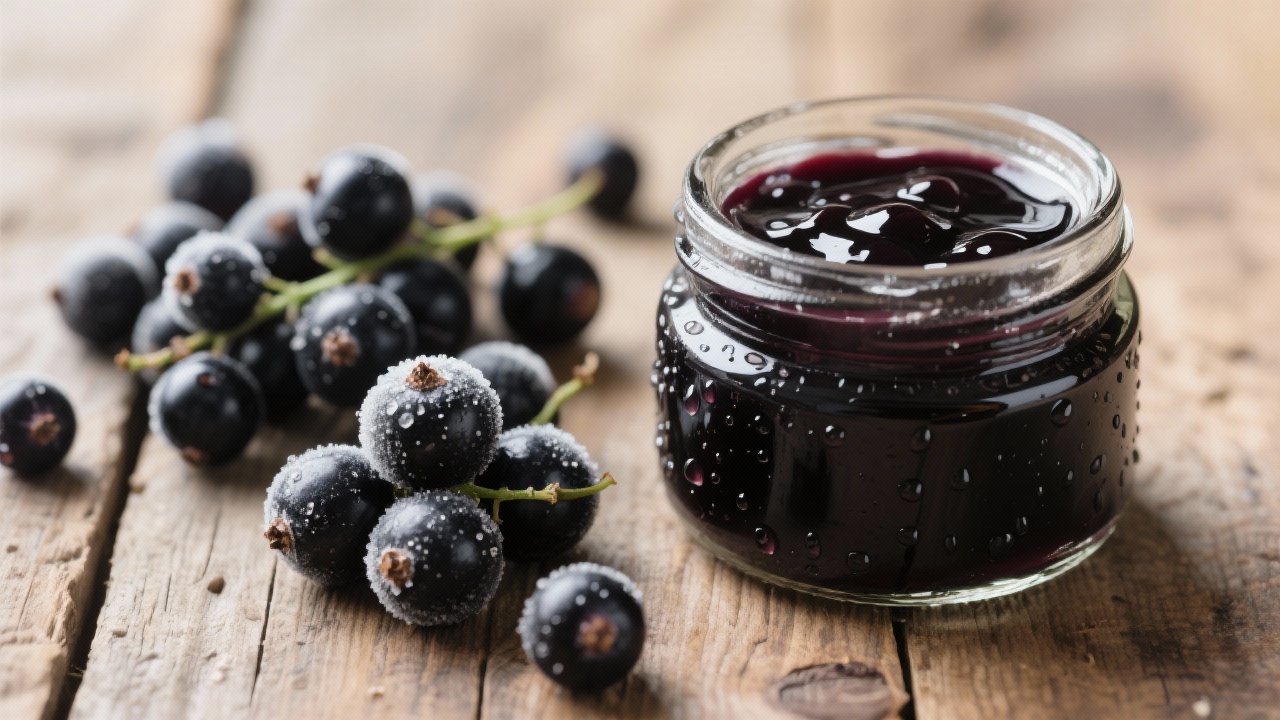
The retention of multi-phenolic antioxidants coupled with natural color pigments significantly reduces the need for synthetic stabilizers and preservatives. This advantage addresses both cost reduction and enhanced consumer acceptance, meeting increasing regulatory scrutiny and market preferences for natural ingredients.
The resulting cost-efficiency arises from cutting additive expenditures alongside minimizing raw material waste, attributable to the high whole fruit integrity during processing. Such savings feedback into improved product margins—crucial in today’s competitive food ingredient market.
To complement the advanced freezing technique, customized packaging options—including vacuum-sealed, moisture-resistant pouches—preserve freshness longer and facilitate flexible batch sizes for diverse client demands. Coordinated cold chain logistics ensure uninterrupted temperature control from origin to processing facility.
This integrated service model strengthens supply chain reliability and boosts client confidence, ultimately supporting long-term partnerships and market expansion.


_(2).jpg?x-oss-process=image/resize,m_fill,h_600,w_600/format,webp)